
Investing in a furnished holiday let UK property can be one of the most tax-efficient strategies for property investors—but only if you understand the rules and structure correctly.
Many landlords assume Airbnb or short-term rentals automatically qualify as a furnished holiday let. That is not the case. HMRC sets strict FHL rules UK, which include minimum occupancy, commercial operation requirements, and proper record-keeping.
The benefits of qualifying as an FHL include:
Capital allowances holiday let UK (claim for furniture, fixtures, and plant & machinery)
Full finance interest deduction on mortgages
Access to Business Asset Disposal Relief (BADR) on sale
Possible business rates relief instead of council tax
With careful planning and management, FHLs can outperform standard buy-to-lets and generate strong cash flow. This guide provides a complete framework to help you qualify, optimise tax efficiency, and run a profitable holiday let.
Table of Contents
What Counts as a Furnished Holiday Let (FHL)
HMRC FHL Rules UK: Qualification Criteria
Short-Let Platforms: Airbnb, Booking.com & VRBO
Comparing FHL vs Buy-to-Let Tax Treatment
Capital Allowances Holiday Let UK Explained
Allowable Revenue Expenses & Tax Deductions
VAT Considerations for Holiday Lets
Business Rates vs Council Tax
Ownership Structures: Personal vs Limited Company
Lending & Mortgage Criteria
Record-Keeping, Software, and Compliance
Common FHL Mistakes
Self-Management vs Professional Operators
Exit Strategy: Selling or Refinancing an FHL
Case Studies & Examples
Actionable Checklist for FHL Compliance
FAQ: Furnished Holiday Let UK Rules
Conclusion & Key Takeaways
What Counts as a Furnished Holiday Let (FHL)?
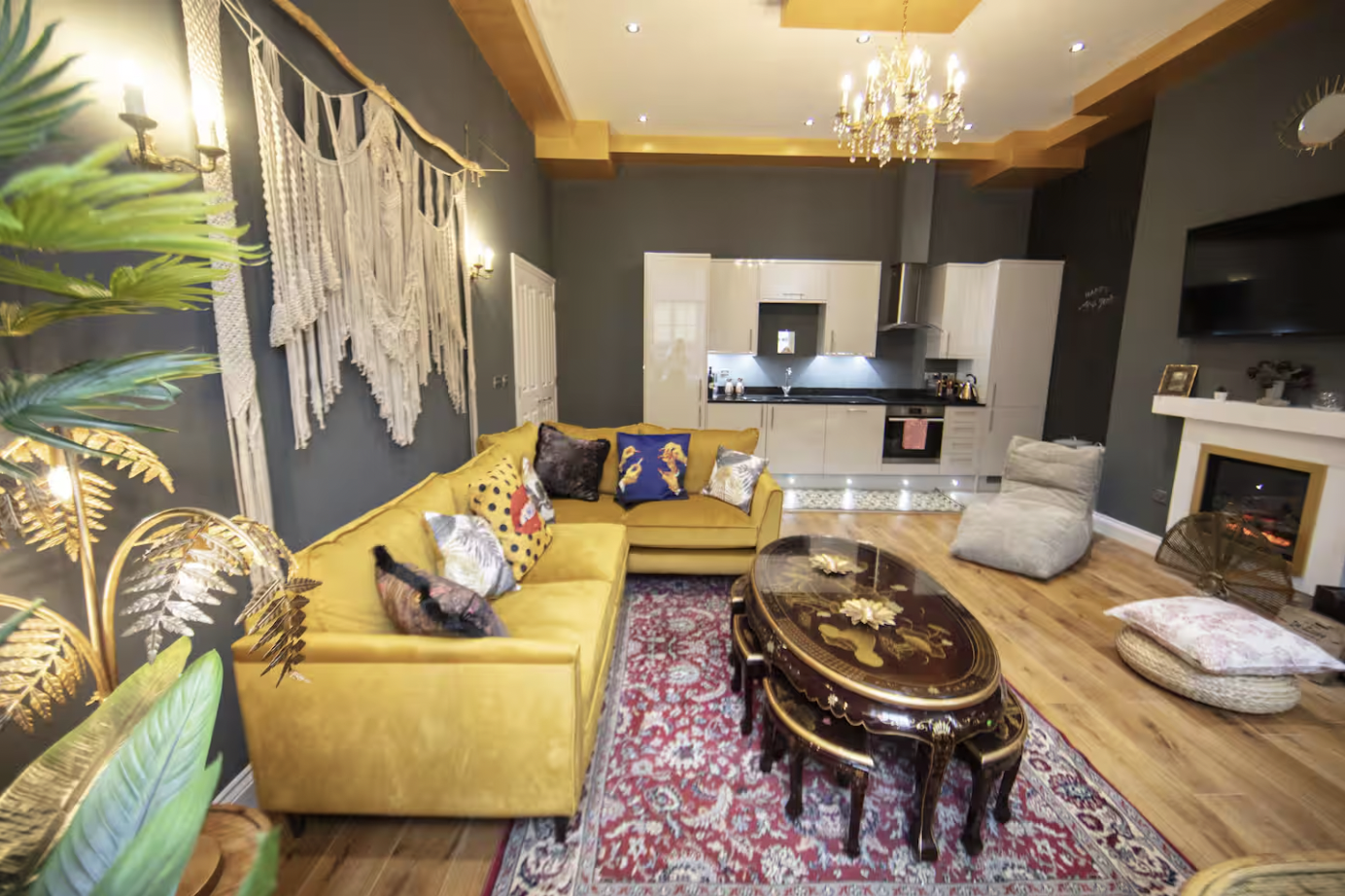
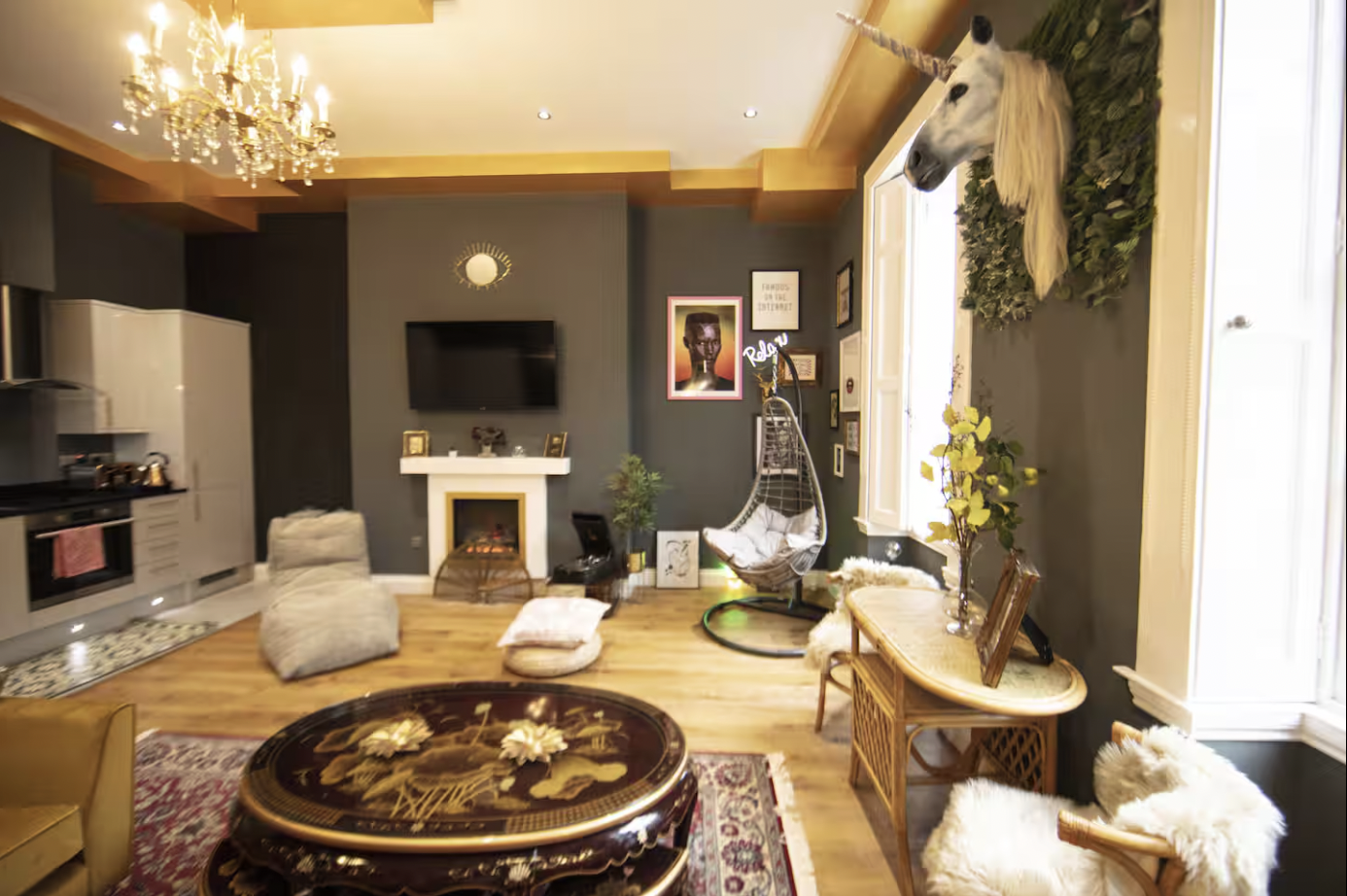
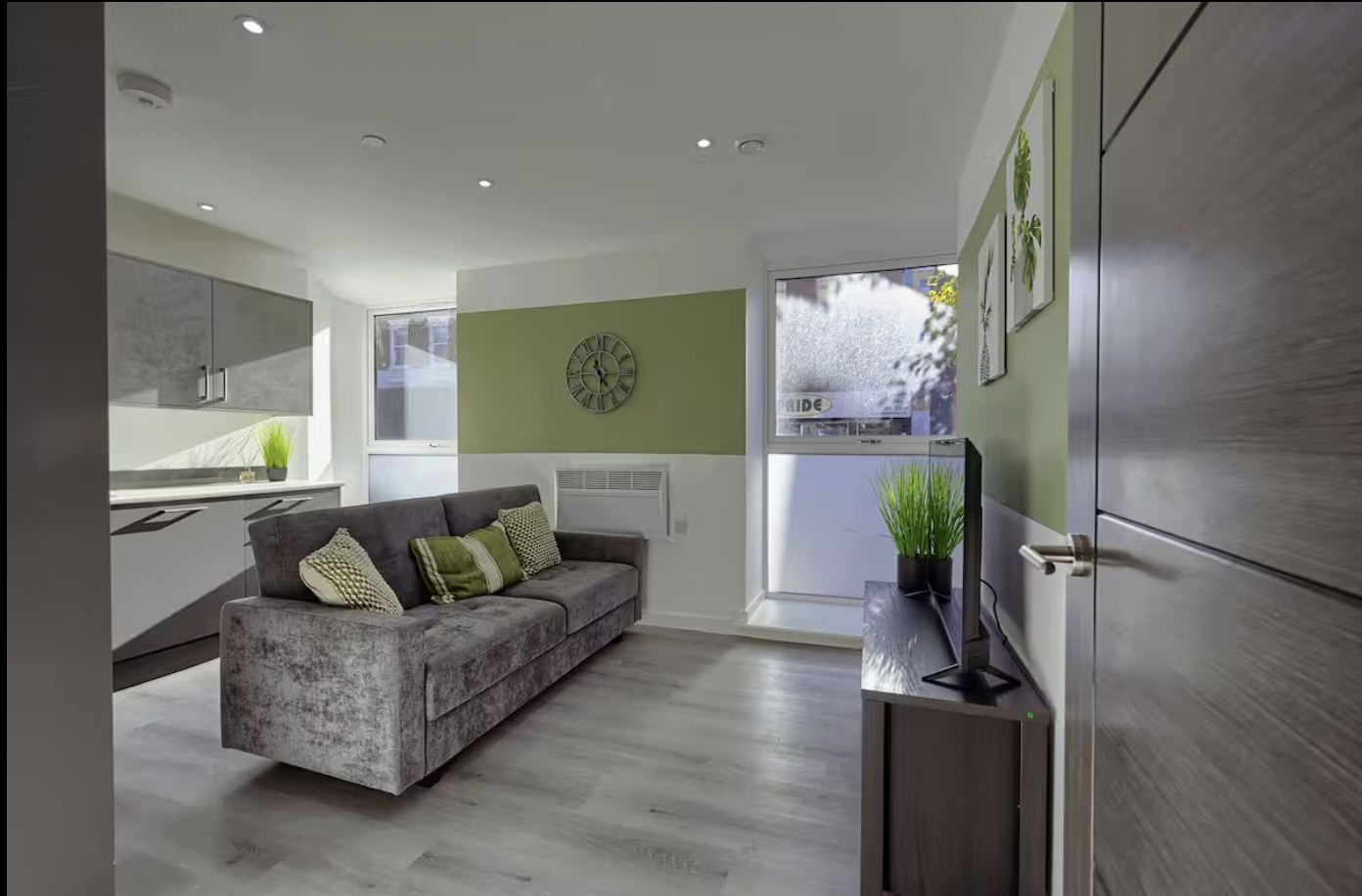
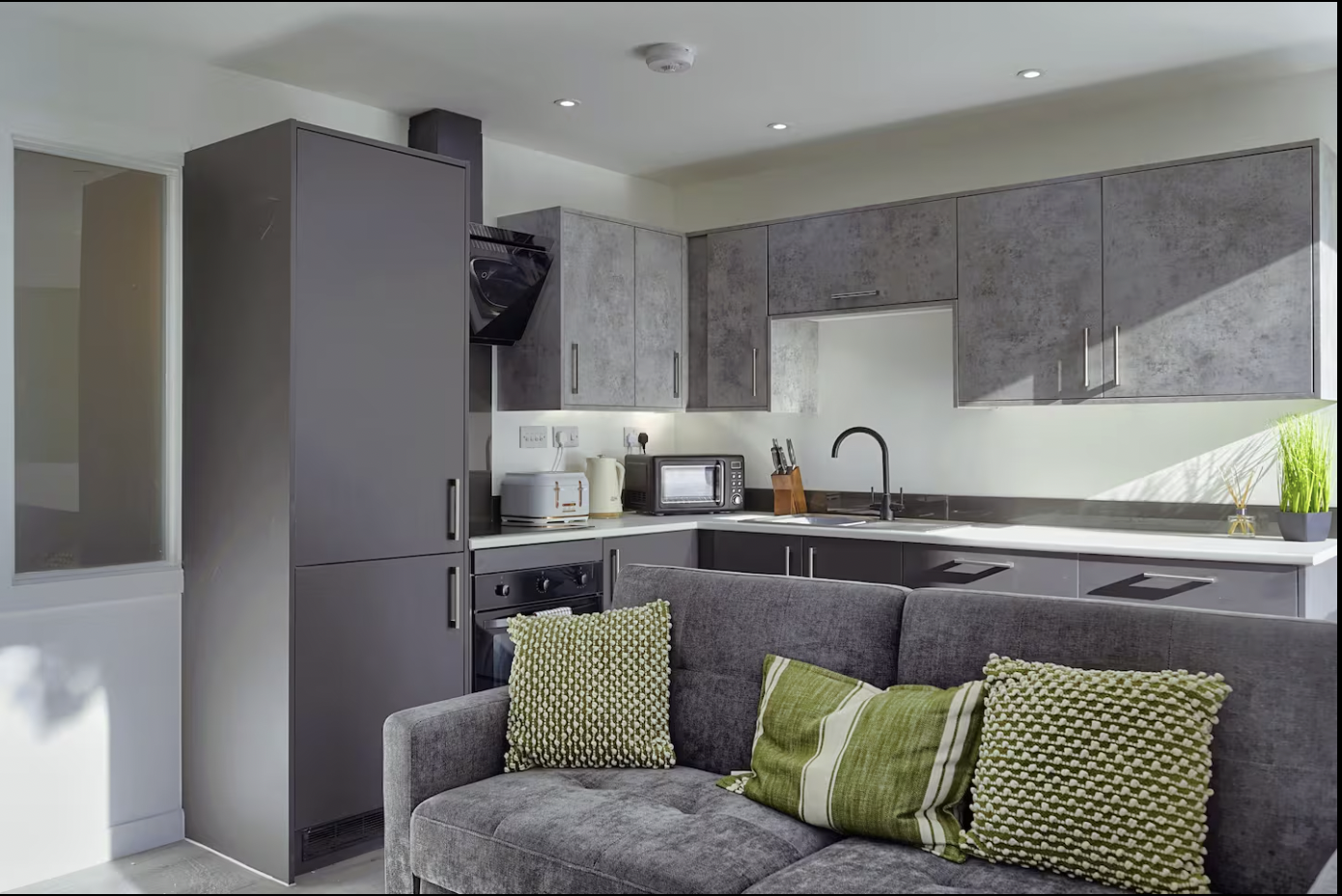
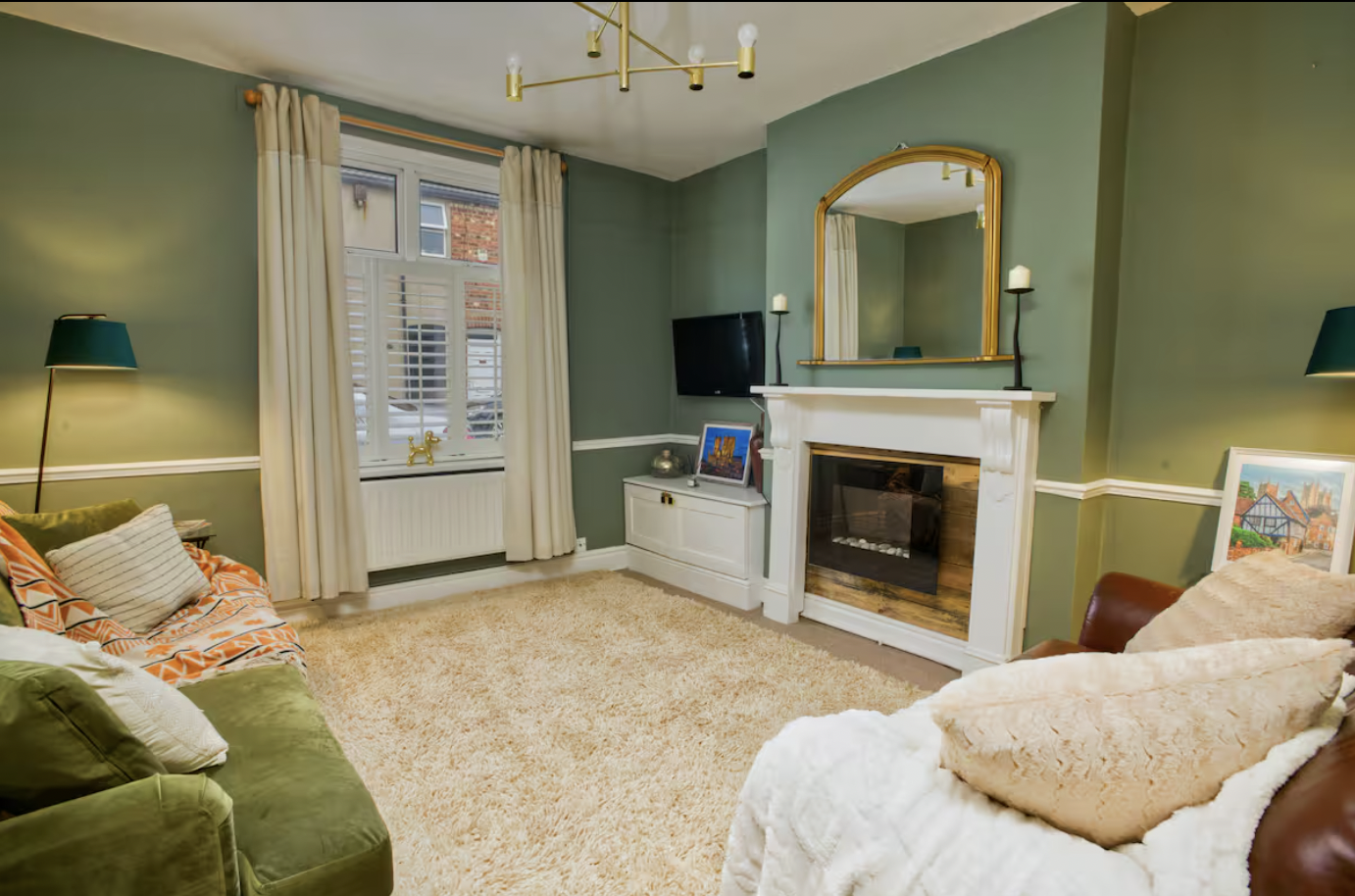
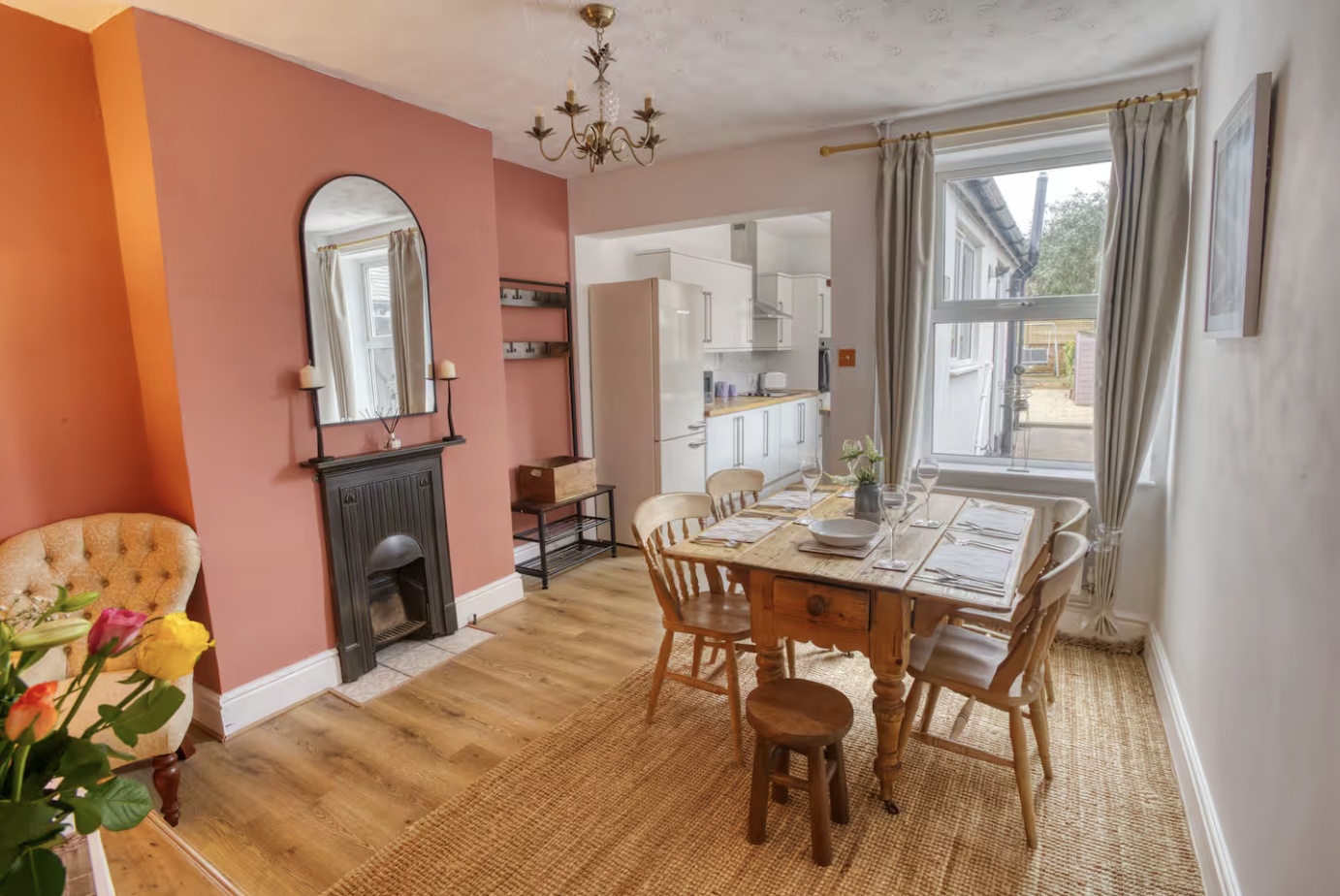
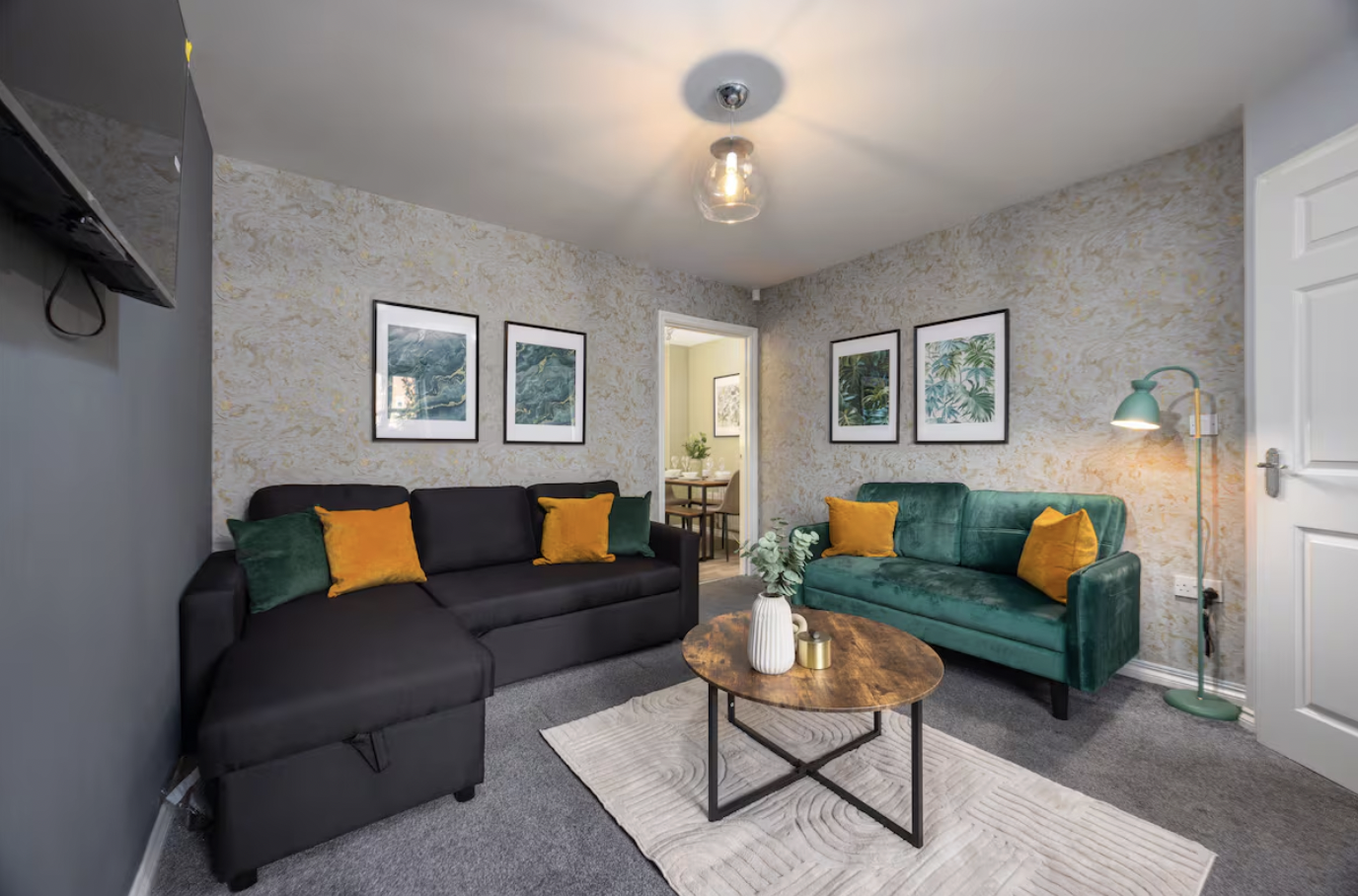
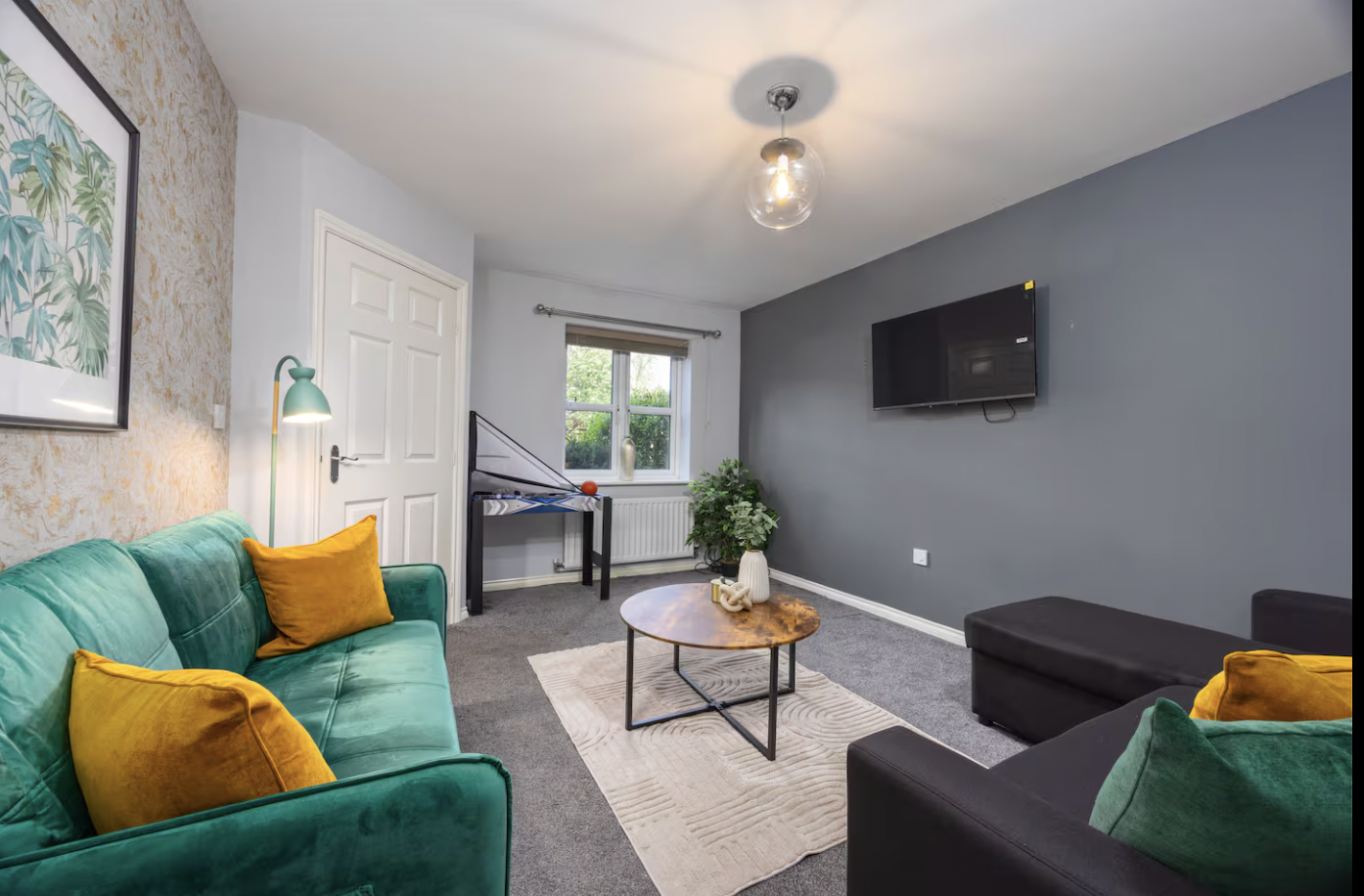
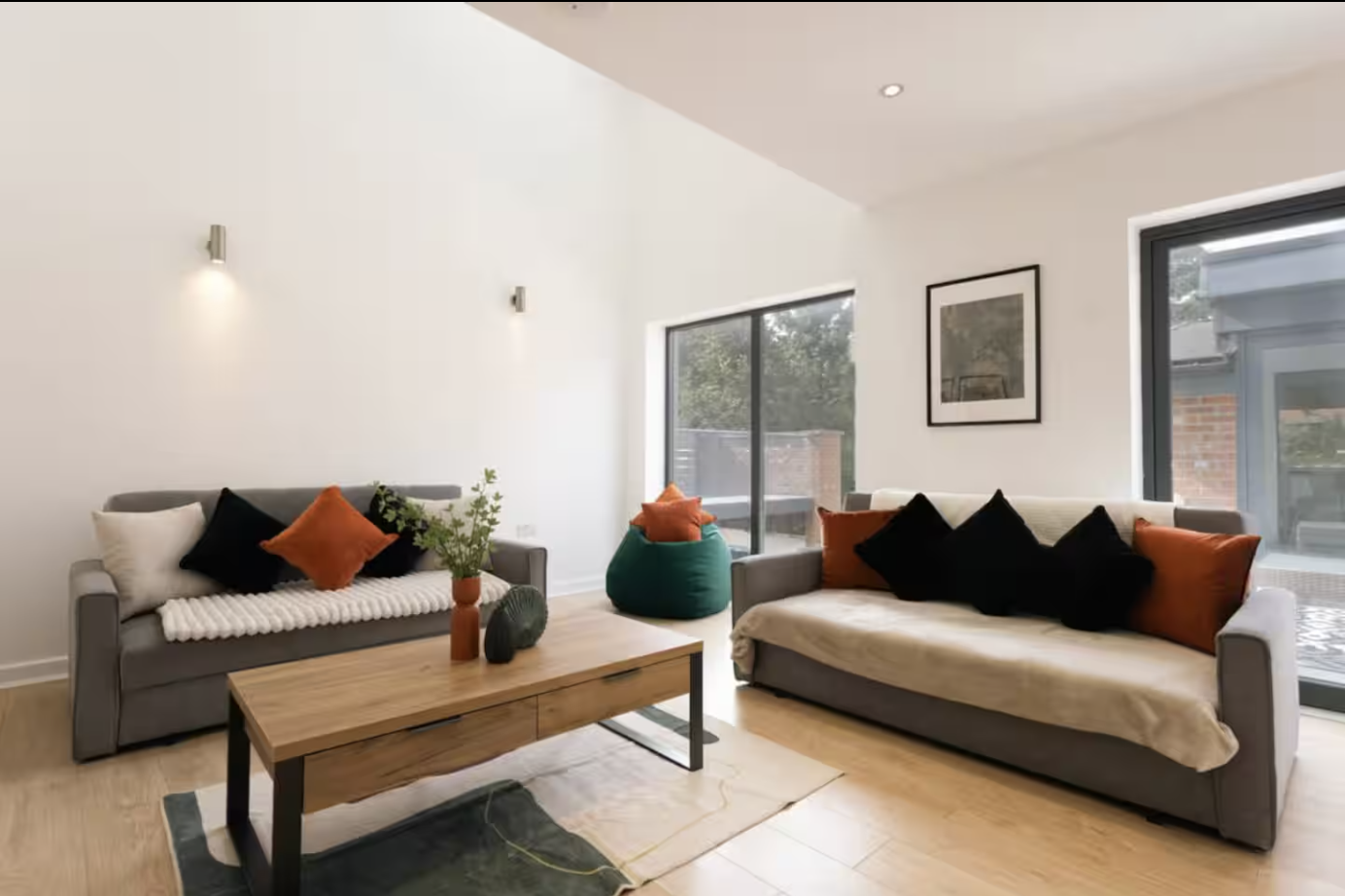
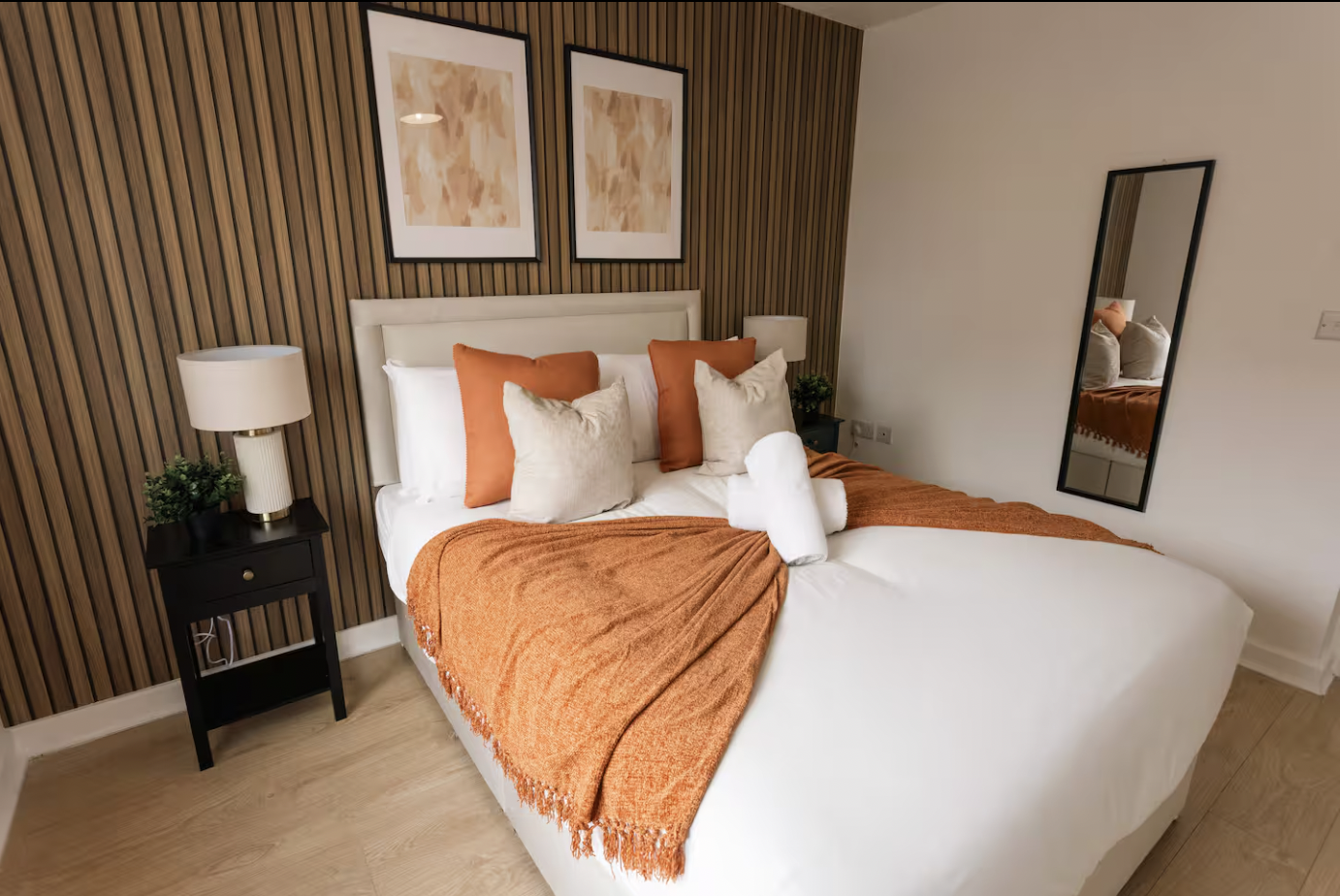
A furnished holiday let UK is a property rented out as short-term accommodation, typically for tourism or corporate stays. To qualify, the property must be:
Fully furnished for immediate occupation
Available commercially to paying guests
Located in the UK or EEA
Property Type Qualifies? Notes Holiday
cottages ✅ Must be self-contained
Serviced apartments ✅ Multiple units allowed
Airbnb short-let ✅ Must meet HMRC FHL occupancy tests
Annex / outbuilding ✅ Must be self-contained
Spare bedroom in own home ❌ Usually fails FHL tests
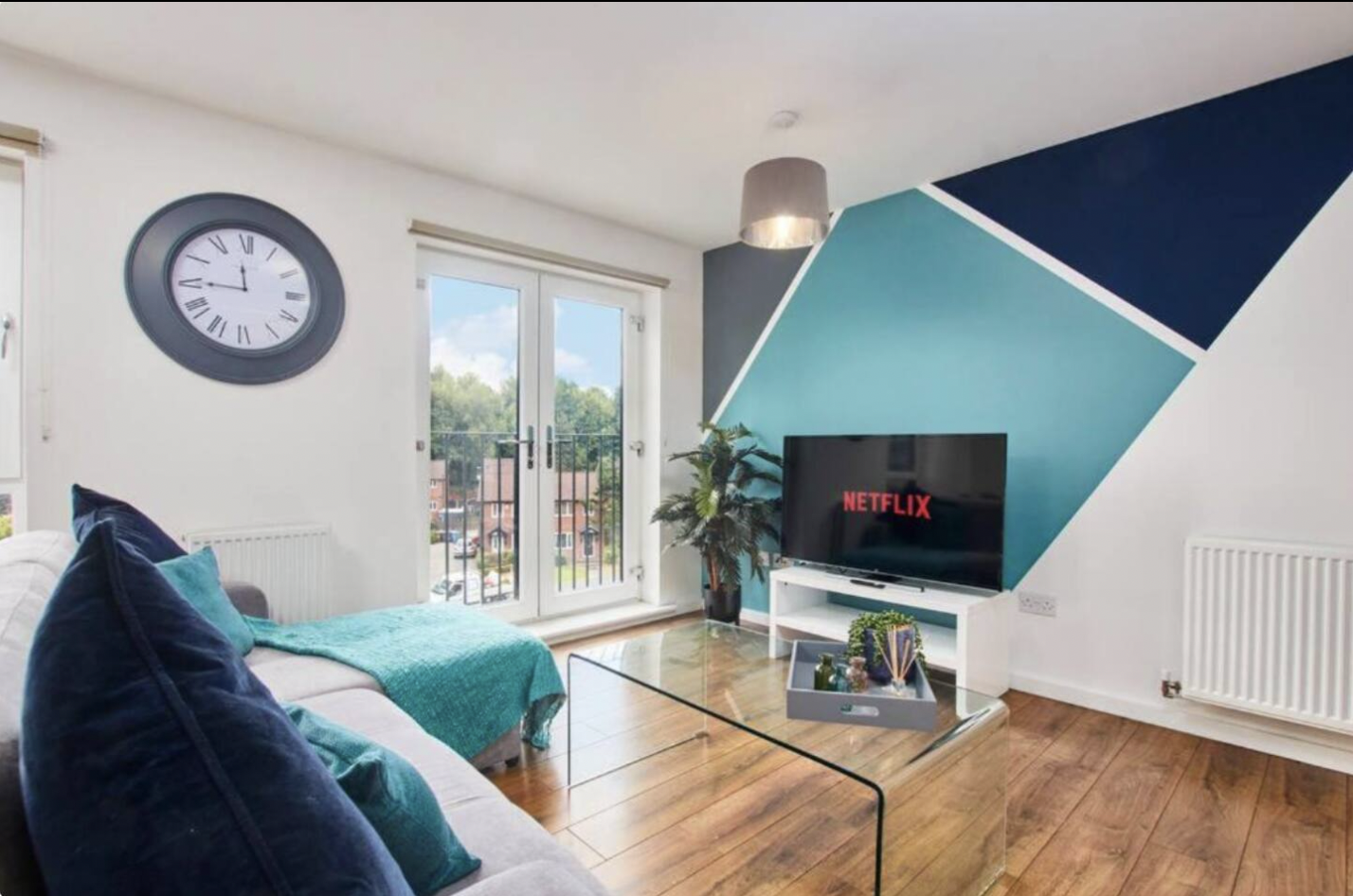
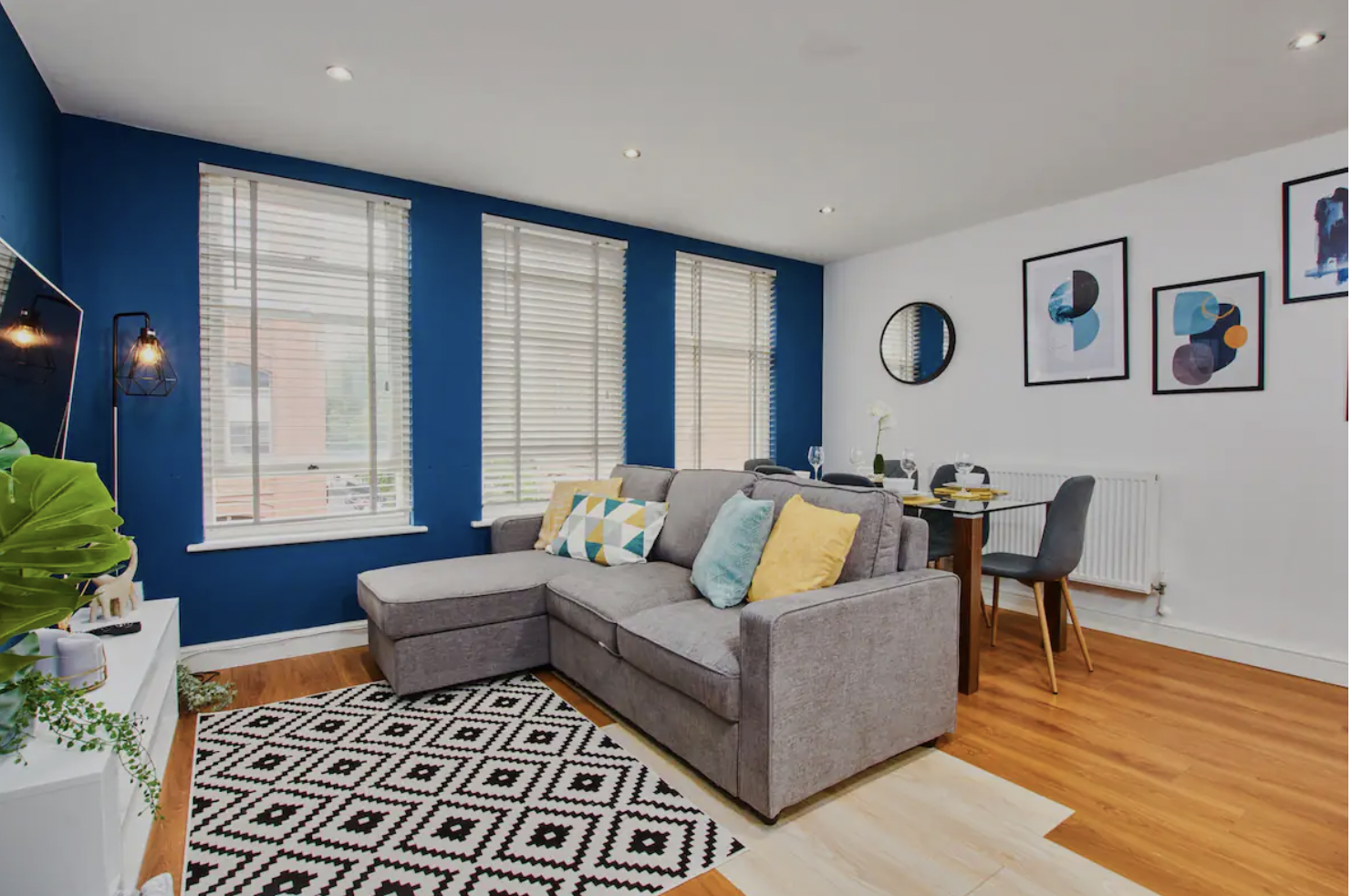
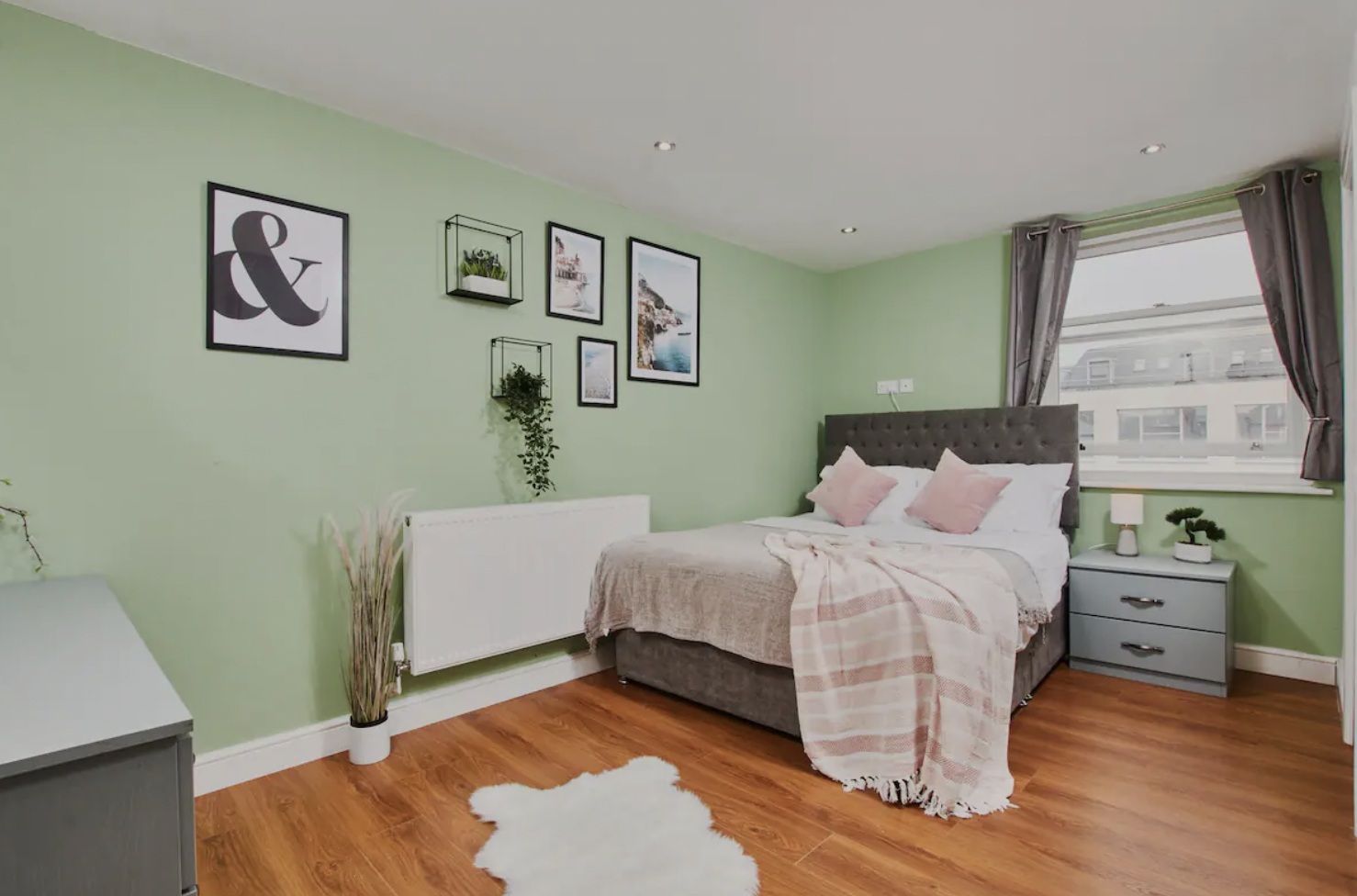
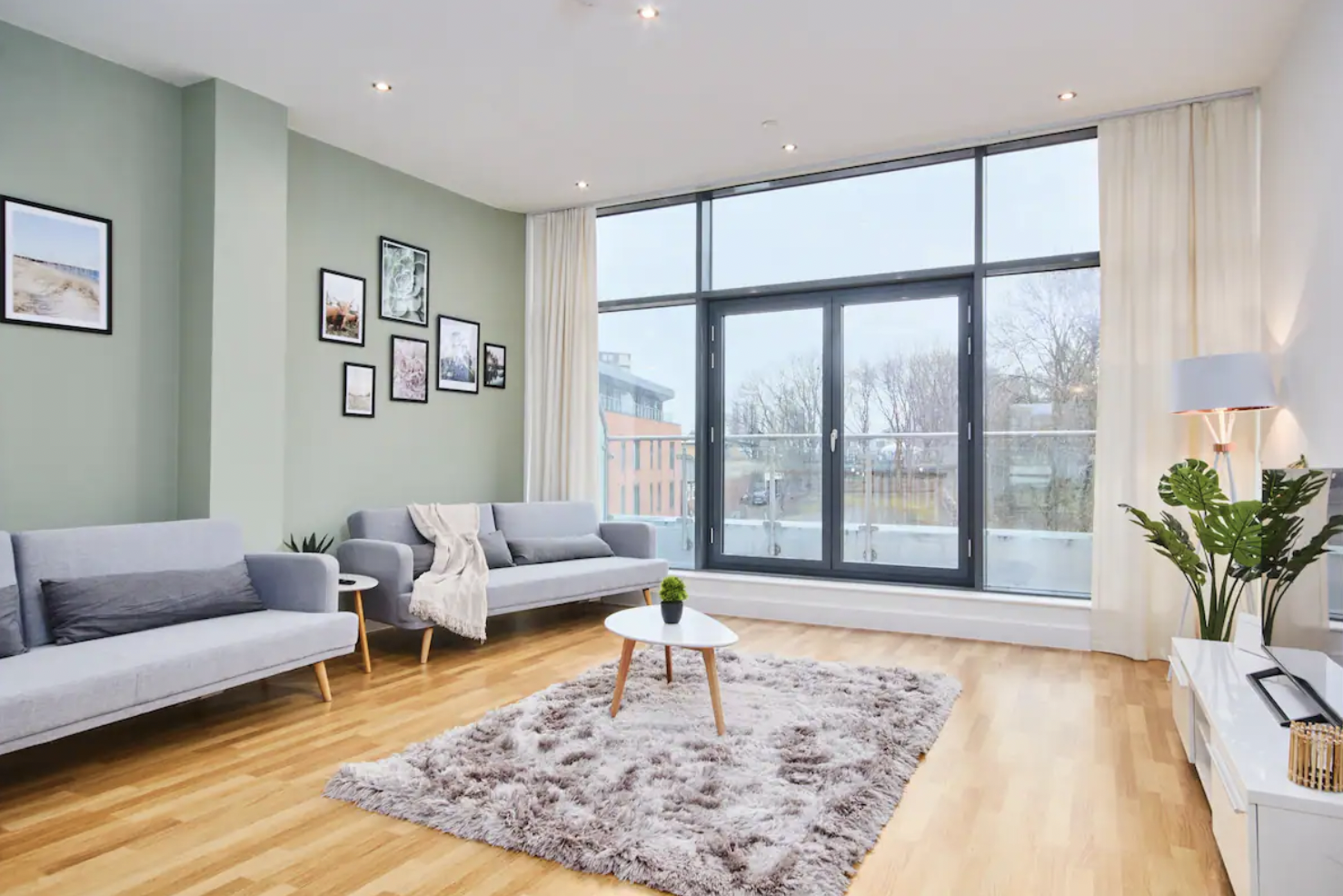

HMRC FHL Rules UK: Qualification Criteria
FHL status requires passing three core tests:
Availability Test
Property must be available to rent for 210 days per tax year
Excludes personal stays, maintenance periods, or blocked days without commercial purpose
Letting Test
Must be actually let commercially for at least 105 days
Stays longer than 31 consecutive nights do not count unless unavoidable (e.g., guest illness, travel disruption)
Pattern of Occupation Test
Property must not be let for more than 155 days in long-term lets over 31 days
Ensures property remains a short-term let rather than residential BTL
HMRC Flexibility:
Averaging election for multiple FHLs
Period of grace election for temporary dips in occupancy
Short-Let Platforms: Airbnb, Booking.com & VRBO
Using platforms does not automatically qualify your property as an FHL
Revenue must meet market-rate pricing
Property must remain available to the public and follow the 105-day letting test
Seasonal platforms (e.g., ski resorts, coastal properties) may need careful planning to meet occupancy
Capital Allowances Holiday Let UK Explained
Capital allowances allow owners to claim tax relief on plant, machinery, and furniture.
Eligible Assets:
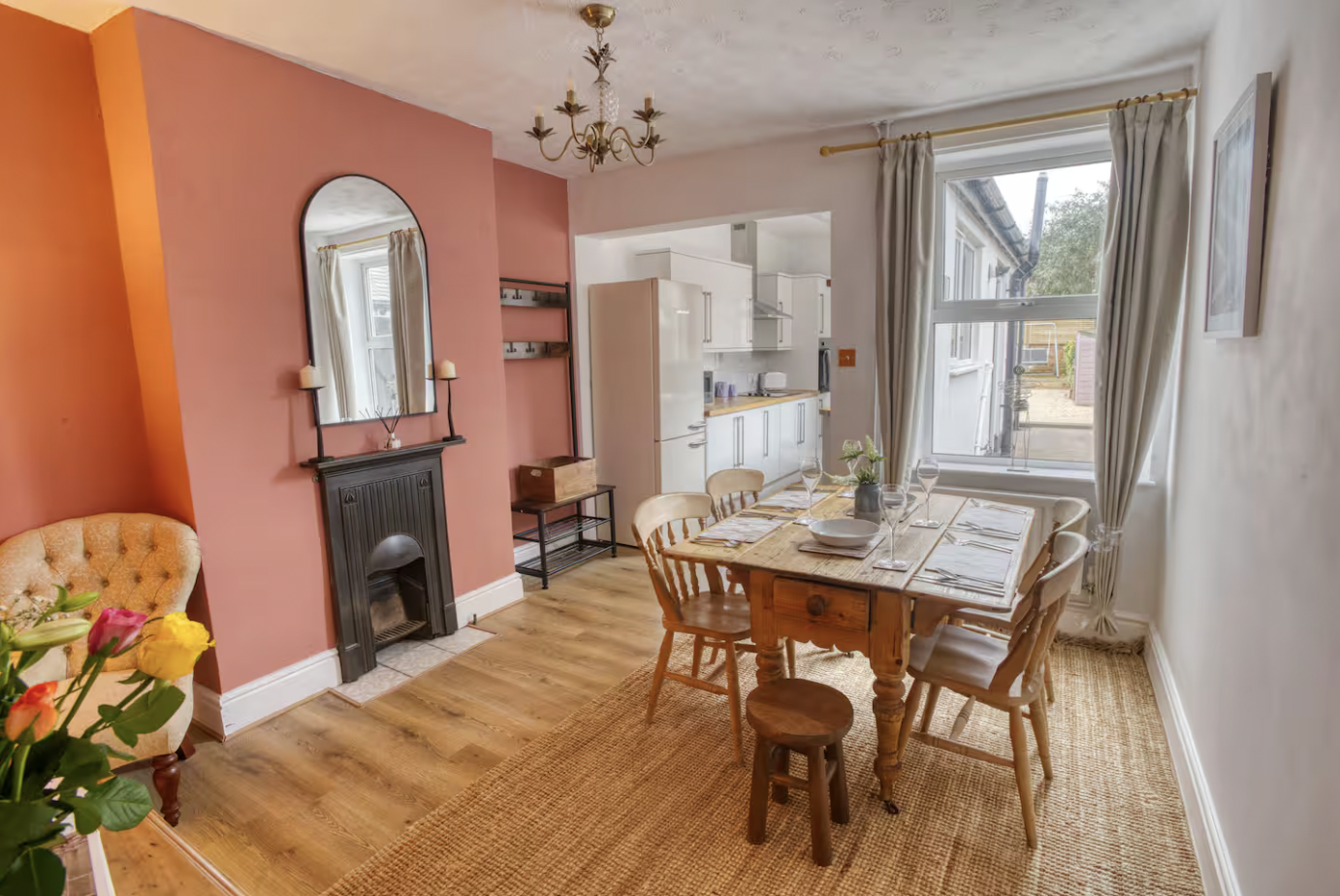
Beds, sofas, wardrobes, dining sets
White goods (fridge, dishwasher, washer/dryer)
Heating, ventilation, and A/C systems
Security systems and smoke alarms
Guest-focused technology (smart locks, Wi-Fi hubs)
Typical Claim Ranges:
Property TypeTypical AllowancesStudio / Flat£6,000–£18,000Cottage£10,000–£30,000Full refurbishment£20,000–£95,000+
Pro Tip: Use a specialist accountant familiar with capital allowances holiday let UK to ensure no eligible items are missed.
Allowable Revenue Expenses & Tax Deductions
Examples include:
Cleaning & laundry
Booking platform fees
Utilities & Wi-Fi
Insurance
Linen & consumables
Management fees (outsourced or via Stayful)
Internal Link Tip: For outsourced management, see Stayful Services
VAT Considerations for Holiday Lets
Register if annual taxable turnover exceeds the threshold
Advantages of voluntary registration: reclaim VAT on renovations/furnishings
Disadvantage: guest pricing complexity
Business Rates vs Council Tax
Qualifying FHLs may fall under business rates
Can qualify for Small Business Rates Relief (SBRR)
Savings can be substantial compared to standard council tax
Ownership Structures: Personal vs Limited Company
StructureBenefitConsiderationPersonal ownershipSimpleLess flexible for growthLimited companyTax planning & pensionsAdditional admin & accountingLLPFamily profit sharingSpecialist advice neededTrustInheritance planningComplex, requires lawyer
Lending & Mortgage Criteria
Lenders consider:
Seasonality and occupancy projections
Location & tourist demand
Professional management plan
Creditworthiness of borrower
Tip: High-quality management improves lending confidence.
Record-Keeping, Software, & Compliance
Track bookings with dates & duration
Record capital purchases & maintenance costs
Maintain logs for fire, electrical, and gas safety compliance
Use software for dynamic pricing & occupancy tracking
Common FHL Mistakes
❌ Personal use exceeding limits
❌ Assuming Airbnb qualifies automatically
❌ Not recording long-term stays correctly
❌ Claiming incorrect or non-qualifying assets
❌ Ignoring VAT & business rates implications



Self-Management vs Professional Operators
Self-management Pros:
Full control
No management fees
Self-management Cons:
Time-consuming
Higher risk of compliance failure
Professional operator (e.g., Stayful) Pros:
Compliance & record-keeping handled
Optimised occupancy & revenue
Maintenance & guest communication
Link: Learn more at Stayful
Exit Strategy: Selling or Refinancing an FHL
Consider Business Asset Disposal Relief
Roll-over relief may defer CGT
Properly structured FHLs can have better sale valuations
Case Studies & Examples
Example 1: Coastal Cottage
3-bedroom cottage, £250/night, 150 nights let
Revenue: £37,500
Capital allowances claimed: £22,000
Taxable profit reduced from £37,500 → £15,500
Example 2: City Apartment
1-bedroom, £150/night, 180 nights
Revenue: £27,000
Management fees: £4,000
Furniture allowances: £8,000
Net taxable profit: £15,000
Observation: Proper capital allowance planning can cut taxable profit almost in half.
Actionable Checklist for FHL Compliance
✅ Property meets 210-day availability
✅ Achieves 105-day actual lettings
✅ Less than 155 days long-term stays
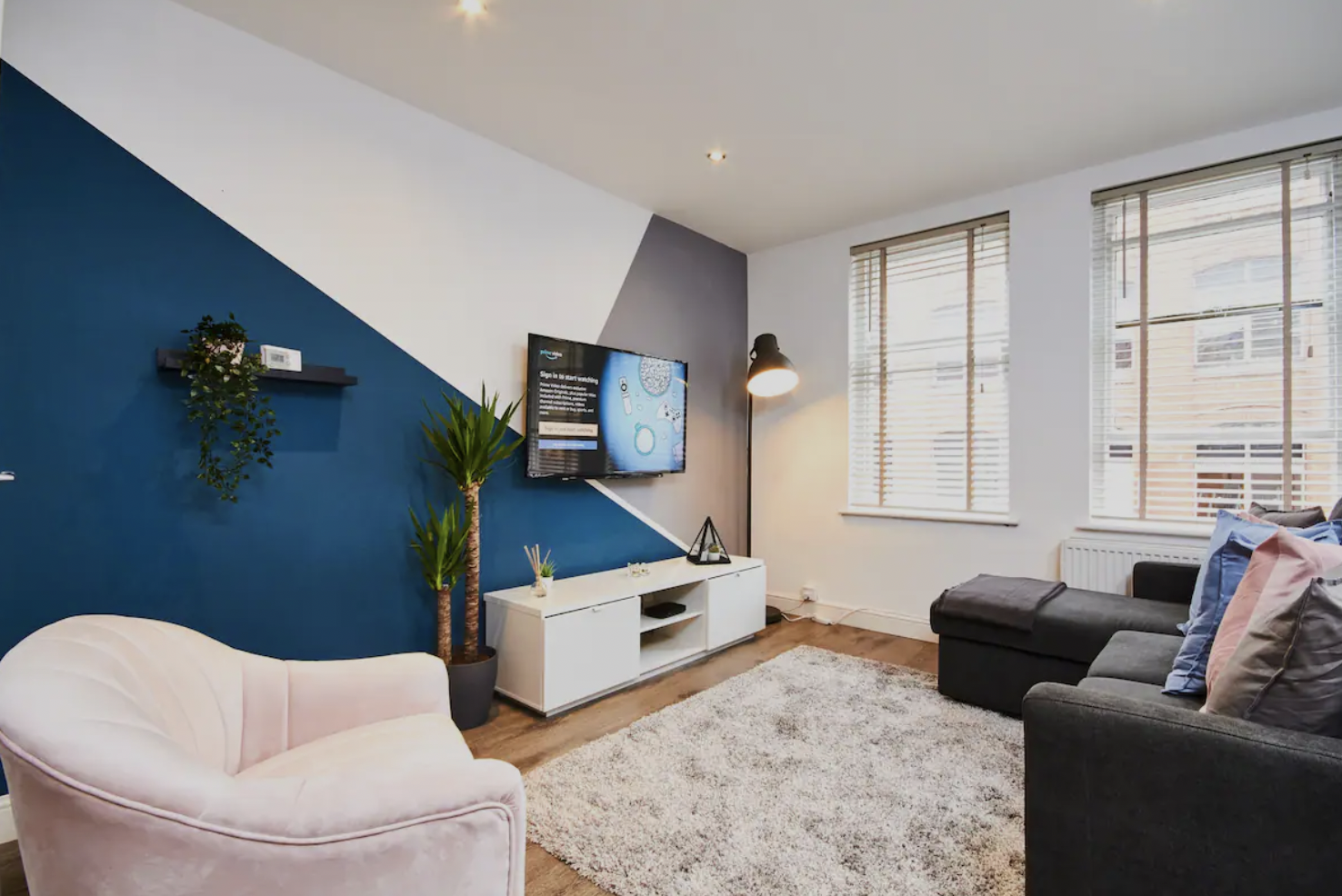
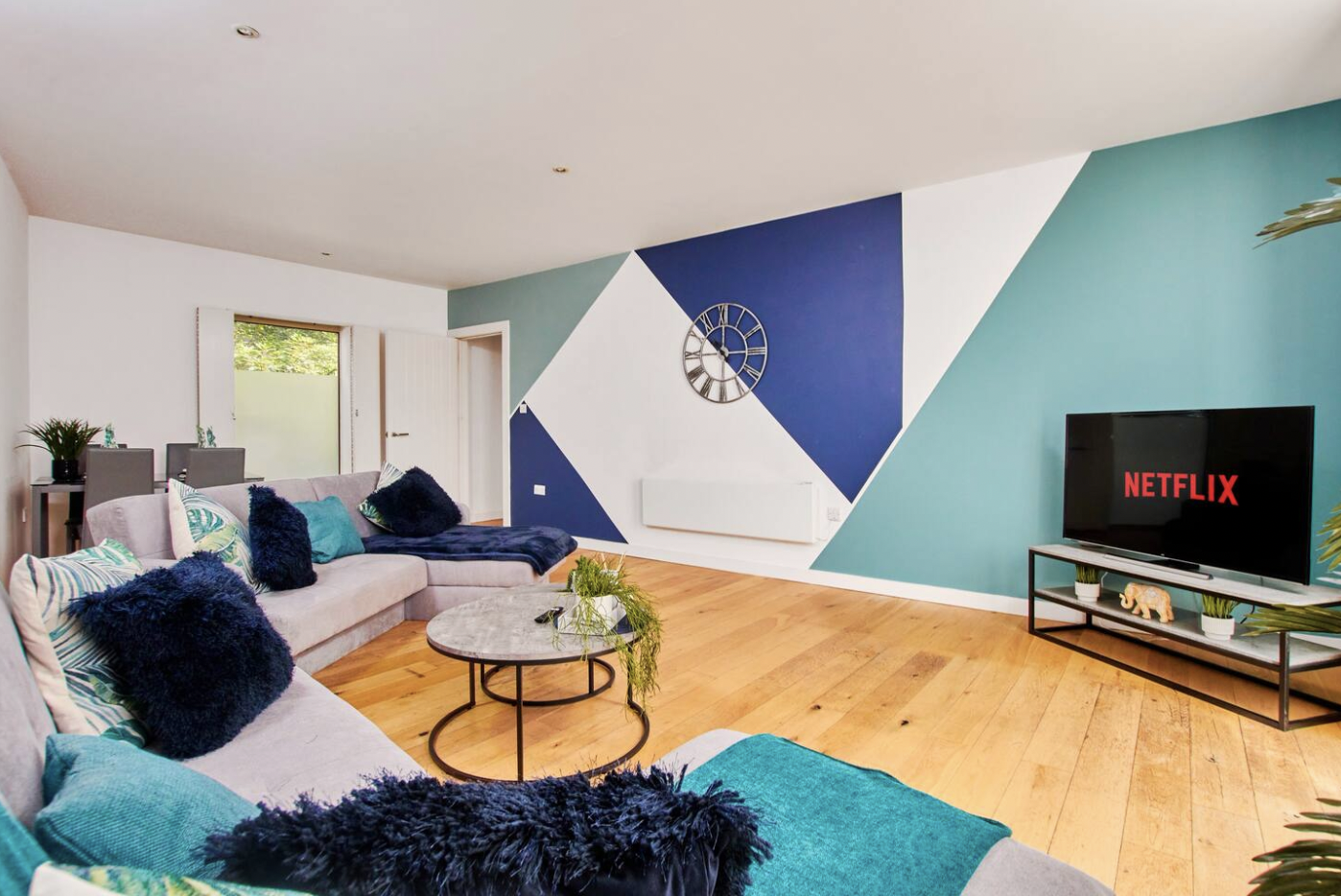
✅ Fully furnished & equipped
✅ Accurate records for HMRC
✅ Separate accounts for FHL revenue & costs
✅ Professional advice sought for capital allowances
✅ VAT considered if turnover > threshold
✅ Compliance with fire, gas, and electrical safety
✅ Decide self-managed vs operator management
✅ Record & claim allowable expenses monthly
✅ Review mortgage / lending options
FAQ
-
No. Must meet occupancy, commercial, and pattern-of-use tests.
-
Yes, but personal use days do not count.
-
No — only after achieving FHL status.
-
Use averaging or period-of-grace election.
-
Yes, especially with capital allowances and mortgage interest relief.
Conclusion & Key Takeaways
FHL status offers strong tax and cashflow advantages
Capital allowances and proper record-keeping are critical for compliance
Using professional operators like Stayful can improve ROI and reduce operational burden
Always track occupancy, expenses, and compliance annually
Next Step: Download the FHL Compliance & Capital Allowance Checklist PDF for step-by-step guidance.