
Scaling Your Short-Term Rental Business: From One Property to a Portfolio
The UK short-term rental market has exploded in recent years. Platforms like Airbnb, Booking.com, and Vrbo have opened up opportunities for property owners to earn significant income. But while running a single property can be manageable, scaling to a short let portfolio UK requires strategy, insight, and smart operational planning.
Whether you’re an aspiring host or a seasoned property investor, this guide will teach you how to scale your Airbnb business UK from one property to multiple listings, optimizing for revenue, efficiency, and guest satisfaction.
Why Scaling Your Airbnb Business Matters
Scaling is more than owning multiple properties—it’s about building a sustainable income-generating business. Let’s explore why scaling is crucial:
1. Diversified Income Streams
Relying on a single property is risky. Market fluctuations, seasonal trends, or unexpected maintenance issues can significantly affect revenue. A portfolio mitigates these risks, providing consistent cash flow.
2. Economies of Scale
Managing multiple properties allows you to leverage volume for better deals on:
Cleaning and maintenance services
Bulk supply purchases (linen, toiletries, furniture)
Property management software subscriptions
This reduces costs per property and increases profitability.
3. Market Presence and Branding
Owning multiple listings creates a stronger online presence. Guests begin to recognize your brand, improving trust and repeat bookings. Consistent quality across properties boosts ratings and reviews, enhancing visibility on Airbnb and other platforms.
4. Long-Term Wealth Building
Properties are appreciating assets. Scaling builds equity across multiple locations, turning a short-term rental operation into a robust real estate investment portfolio.









Assess Your Current Property
Before scaling, evaluate your existing property. Ask yourself:
Profitability: Is your first property consistently profitable after cleaning, utilities, and service fees?
Occupancy Rate: How often is your property booked? High occupancy is a positive indicator for expansion.
Operational Efficiency: Are check-in, cleaning, and maintenance processes smooth? Inefficiencies multiply with more properties.
Case Study: York Apartment
John, a York Airbnb host, had a one-bedroom apartment with a 60% occupancy rate and £1,500 monthly net profit. By optimising her listing with us and automating messaging, she improved occupancy to 90%. This success gave her the confidence and financial foundation to acquire her second property see the case study
Conduct Market Research in the UK
Scaling a short let portfolio UK requires precise market insight.
Location Analysis
Focus on high-demand areas:
London: Strong year-round demand but high competition.
Manchester and Liverpool: Growing corporate rental markets.
Edinburgh and Glasgow: Popular for tourism and festivals.
Coastal towns (Brighton, Cornwall): Seasonal demand with high peak pricing.
Competition Research
Analyse existing listings to understand:
Average nightly rates
Amenities in demand
Occupancy trends
Guest reviews and expectations
Regulatory Considerations
Each UK city has different rules for short-term rentals:
London: Maximum 90 nights per year without planning permission.
Edinburgh: Requires licensing for short-term lets.
Local taxes: Short-term rental income may be subject to council tax adjustments and income tax.
Failing to comply with regulations can result in fines or forced closure.
Create a Scalable Business Model
Your goal is replication—making it easy to duplicate success across multiple properties.
Standardisation
Consistent décor and amenities across properties.
Standard operating procedures for check-in, cleaning, and guest communication.
Template-based listings to maintain quality.
Automation
Guest communication: Automated welcome messages, check-in instructions, and reminders.
Booking management: Calendar syncing across platforms to avoid double bookings.
Pricing: Dynamic pricing software adjusts nightly rates based on demand.
Outsourcing
Cleaning teams for quick turnovers.
Maintenance contractors for plumbing, electrical, and general repairs.
Consider a property manager once you have more than 5–10 properties.
Financing Your Growth
Scaling requires capital. Here are the common methods UK hosts use:
Traditional Mortgages
Suitable for high-equity properties.
Some lenders require short-let rental clauses to be explicitly allowed.
Bridging Loans
Short-term financing for rapid purchases and renovations.
Useful for buying distressed or off-market properties.
Partnerships
Joint ventures with investors sharing equity and revenue.
Reduces personal financial exposure.
Reinvesting Profits
Use revenue from your first property to fund subsequent acquisitions.
Slower but low-risk growth method.
Example
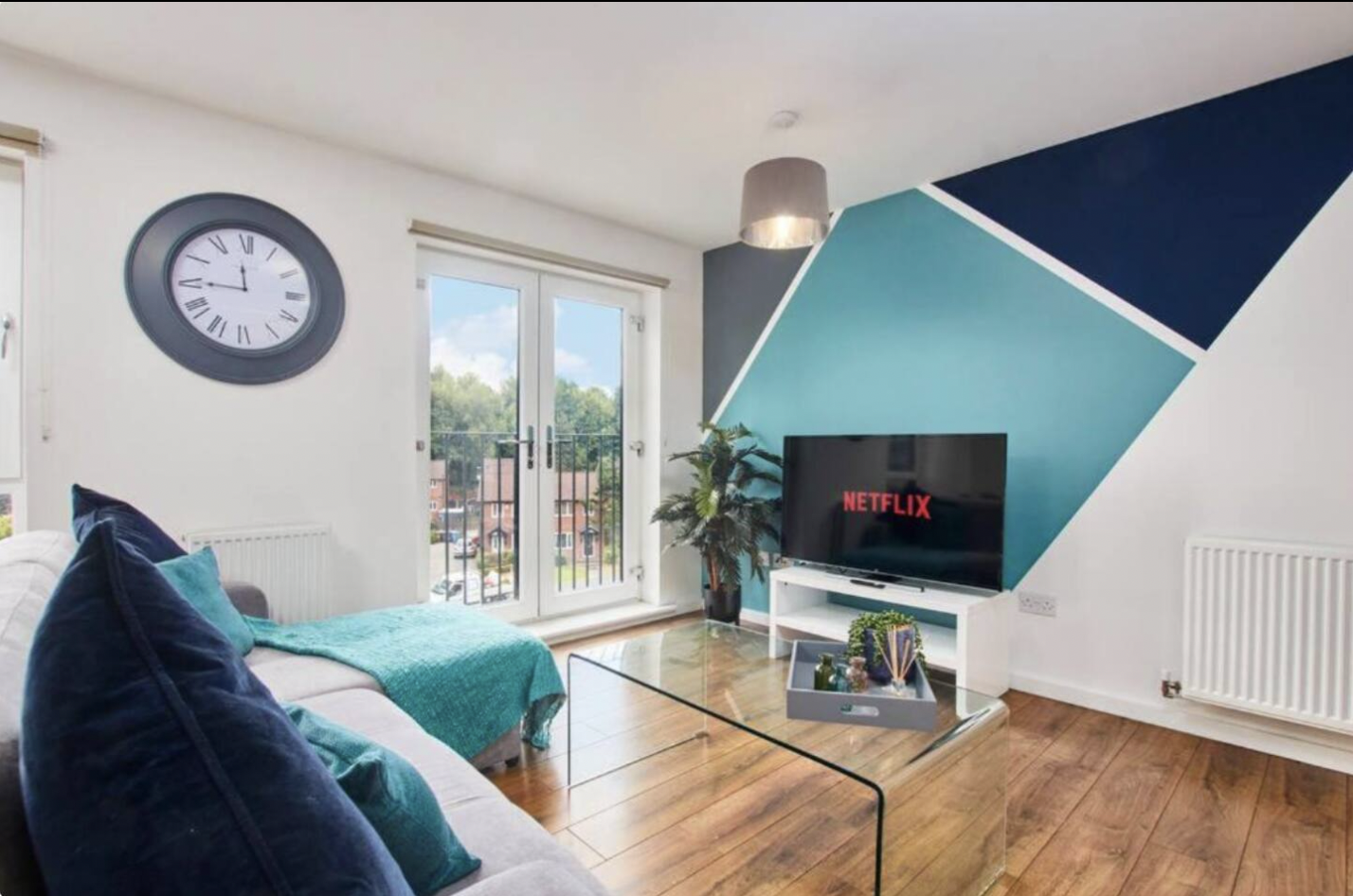
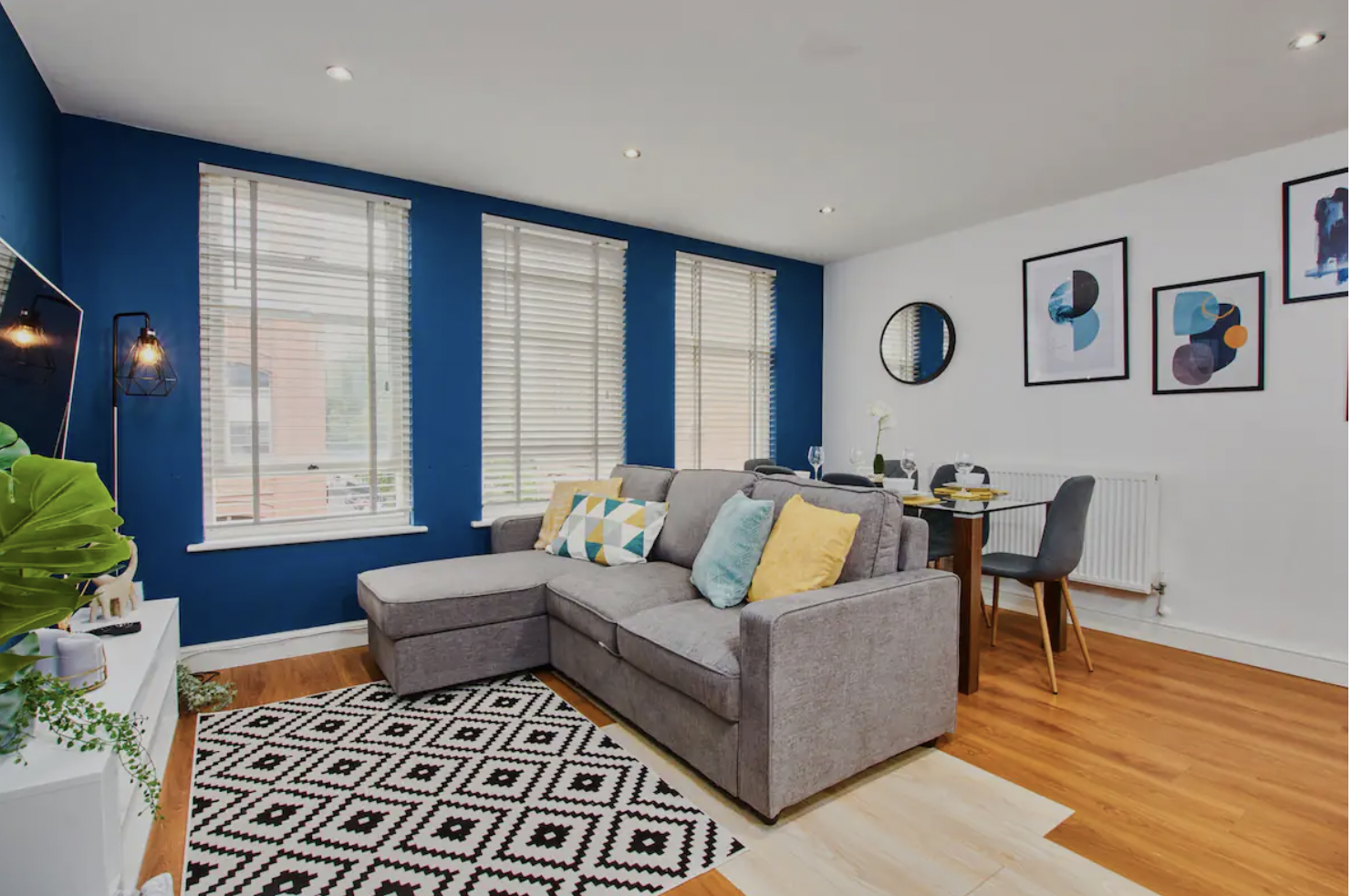
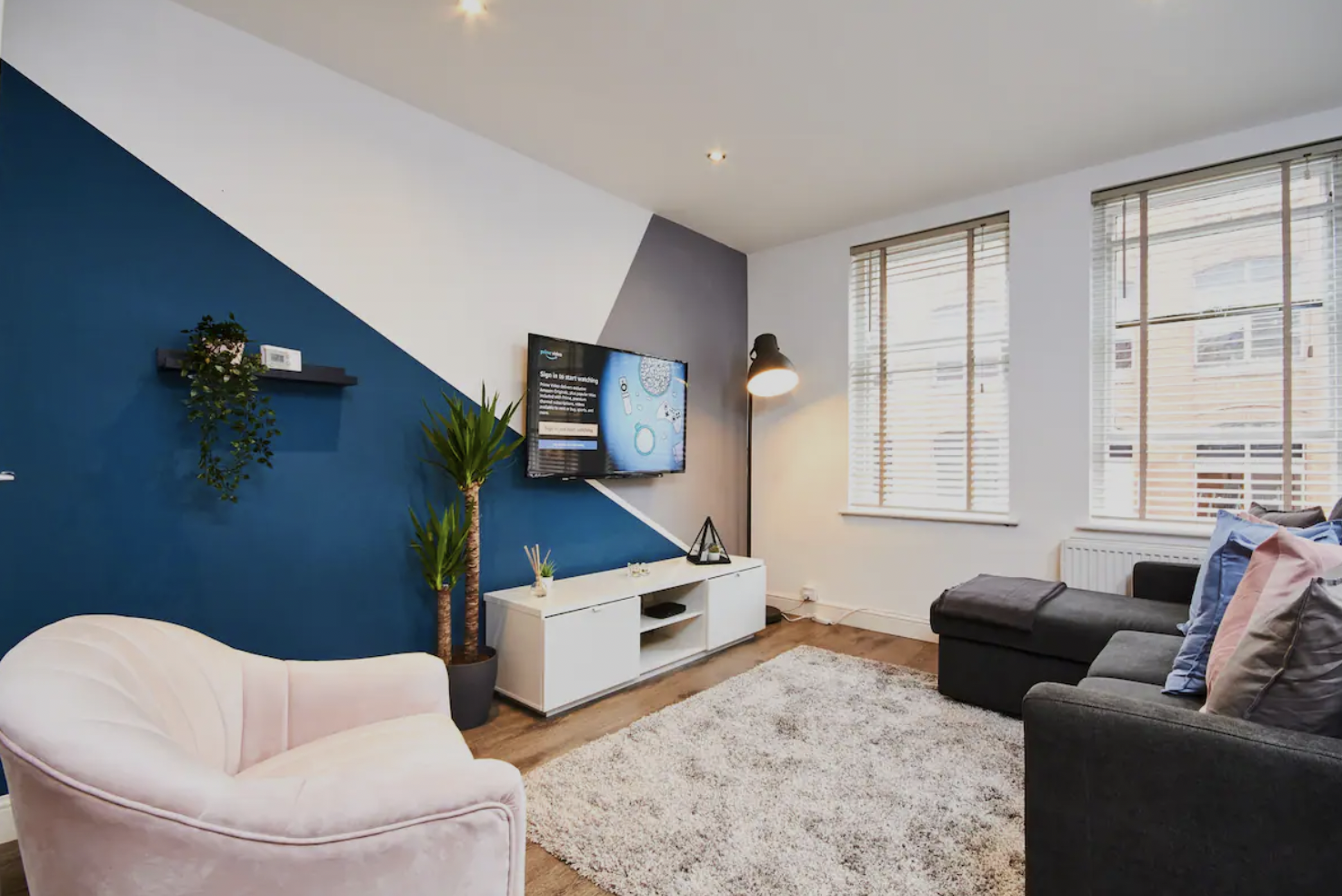
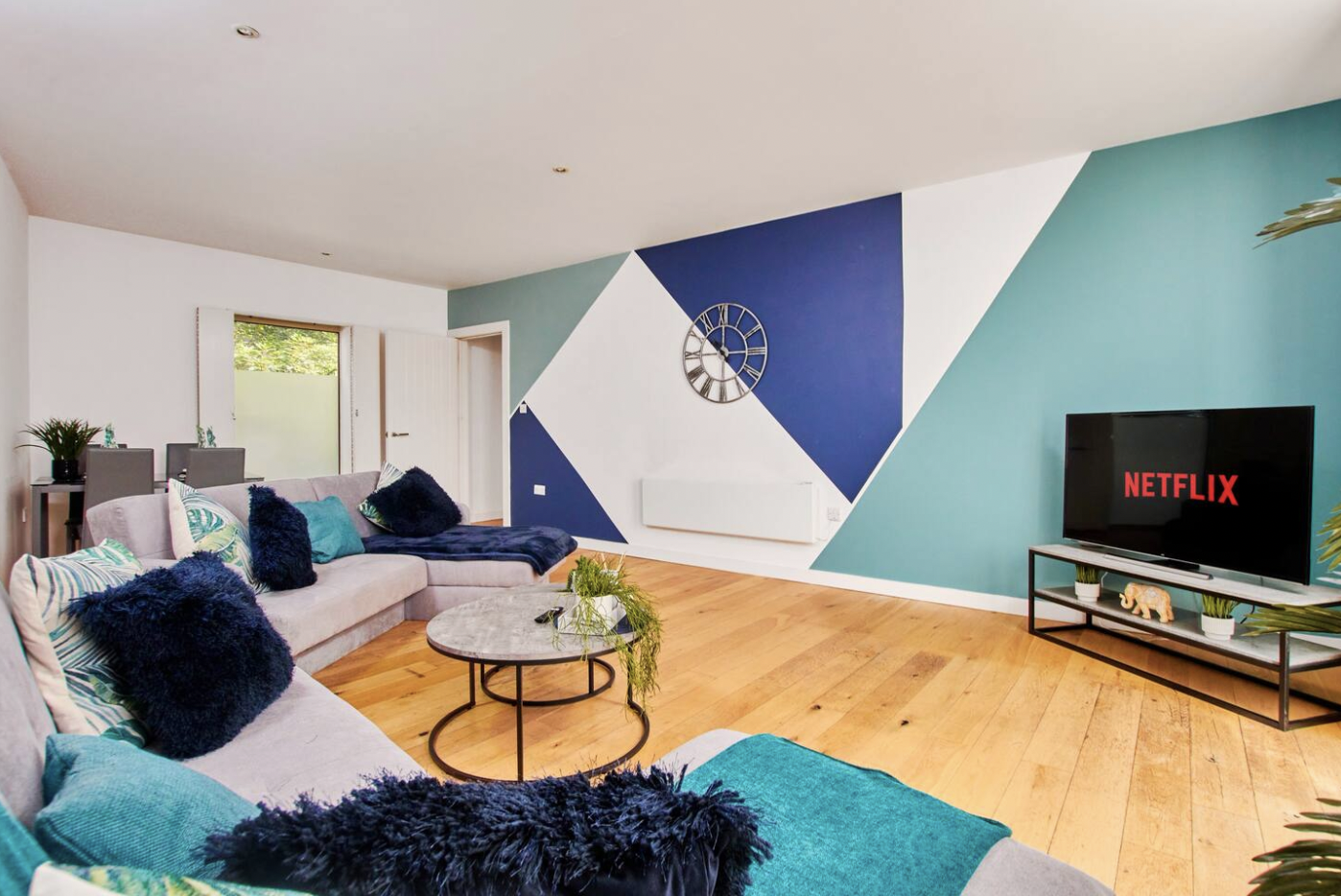
Tom started with a £200,000 property in Manchester. Within two years, he used profits and reinvested savings to acquire two more properties, forming a small but profitable portfolio.



Property Acquisition Strategy
Scaling efficiently requires a clear acquisition strategy:
Single vs Multiple Purchases
Buying one property at a time reduces financial risk and allows you to learn from each acquisition.
Bulk purchases speed up growth but increase complexity and financial exposure.
Property Type Selection
Apartments: Popular in urban areas, easy to maintain.
Houses: Offer higher guest capacity and potential premium rates.
Unique stays (cottages, converted barns): Attract niche audiences willing to pay more.
Location Diversity
Avoid concentrating all properties in one area to reduce market and seasonal risk.
Optimising Listings
Your listings are your most important marketing tool.
Professional Photography
High-quality images increase click-through rates and bookings. Include multiple angles, natural lighting, and amenities.
SEO-Friendly Titles & Descriptions
Incorporate keywords like “scale Airbnb business UK” or “short let portfolio UK” naturally in your descriptions. Highlight unique selling points.
Dynamic Pricing
Use software like Beyond Pricing or Wheelhouse to automatically adjust rates based on occupancy, events, and seasonality.
Encourage Guest Reviews
Send polite reminders post-checkout.
Respond to reviews professionally.
High ratings boost visibility and trust.
Streamline Operations for Efficiency
Managing multiple properties is complex. Streamline operations with:
Channel Managers
Sync all listings across platforms to prevent double bookings and centralize pricing.
Task Automation
Cleaning reminders and scheduling
Check-in instructions
Guest communication templates
Centralized Management
Track revenue, occupancy, maintenance, and guest feedback in one platform.
Example
A host with 6 properties used a property management system to automate bookings, schedule cleaners, and track maintenance. This reduced time spent per property by 60%.
Marketing Your Portfolio
Marketing is critical to maintain high occupancy.
Social Media
Promote properties on Instagram, TikTok, and Facebook using professional visuals and guest testimonials.
Email Marketing
Build a guest database to promote repeat stays, discounts, and special offers.
Collaborations
Partner with travel bloggers, local attractions, and businesses for cross-promotion.
Local SEO
Optimize for searches like “short let portfolio UK” or “UK Airbnb rentals.” Include location-specific keywords in listings, blogs, and social media.
Monitor Performance
Tracking metrics is crucial for long-term success:
Occupancy Rate: Indicates property performance.
Average Daily Rate (ADR): Helps optimize pricing.
Revenue per Available Room (RevPAR): Measures revenue efficiency.
Guest Satisfaction: Ratings and reviews affect visibility and repeat bookings.
Regular monitoring allows quick action on underperforming properties.
Professional Management
When your portfolio grows, professional management becomes attractive:
Pros
Saves time and stress
Professional service and guest experience
Consistent maintenance and cleaning
Cons
Management fees reduce profit margins
Less direct control over property operations
Common Challenges in Scaling Airbnb in the UK
Regulatory Hurdles
Obtain planning permissions, licenses, and comply with fire safety regulations.
Cash Flow Management
Ensure enough liquidity to cover operational costs and unexpected expenses.
Staffing and Operations
Reliable cleaning and maintenance teams are essential.
Automation and SOPs help mitigate staff-related issues.
Market Competition
High saturation in cities like London requires unique offerings and strategic pricing.
FAQ
-
Ensure your first property is profitable, research high-demand areas, secure financing, standardise operations, and implement automation tools.
-
Typically after 5–10 properties, or when operations become overwhelming.
-
Yes. Comply with local council rules, licensing requirements, and tax obligations.
-
Airbnb, Booking.com, Vrbo, and niche UK short-let sites to diversify bookings.
-
Use mortgages, bridging loans, investor partnerships, or reinvest profits.
-
Include location and service keywords, use professional photos, highlight amenities, and maintain high guest ratings.
-
Use automation, channel managers, centralised dashboards, and standard operating procedures.
-
Offer unique experiences, exceptional service, and standardized high-quality amenities.
Conclusion
Scaling your short-term rental business from one property to a short let portfolio UK is a rewarding journey. The keys to success are:
Evaluating and optimizing your first property
Conducting thorough market research
Standardizing operations
Leveraging technology and automation
Carefully planning finances and acquisitions
With a systematic approach, you can build a profitable Airbnb business, diversify income, and create long-term wealth. Start small, scale smartly, and maintain consistent quality.