
If you want to start an Airbnb, short‑term rental, or serviced accommodation business in the UK, this is the most detailed, up‑to‑date guide available.
This guide is written to outperform existing Google results for:
how to start an Airbnb business UK
Airbnb business UK
short term rental business UK
serviced accommodation UK
It goes beyond surface‑level advice and covers regulations, tax, profitability, real business models, and scaling — with UK‑specific detail most articles miss.
Table of Contents
What Is an Airbnb / Short‑Term Rental Business in the UK?
Airbnb vs Serviced Accommodation: Key Differences
Is Starting an Airbnb Business in the UK Still Profitable?
UK Legal & Regulatory Requirements (Critical)
Choosing the Right Business Model
Setting Up Your Airbnb Business Step‑by‑Step
Costs & Profitability Breakdown (UK)
Finding the Right Property & Location
Operations: Cleaning, Maintenance & Guest Experience
Pricing, Revenue Optimisation & Tools
Scaling Into a Serviced Accommodation Business
Common Mistakes to Avoid
FAQs
What Is an Airbnb / Short‑Term Rental Business in the UK?
A short‑term rental business in the UK involves letting a property for short stays, typically from 1 night to 6 months, using platforms such as Airbnb, Booking.com, or direct bookings.
In business terms, this can include:
Single‑property Airbnb hosting
Multi‑unit short‑term rental portfolios
Professionally run serviced accommodation businesses
Unlike traditional buy‑to‑let, short‑term rentals focus on:
Nightly pricing
Occupancy optimisation
Hotel‑level guest experience
This is why Google increasingly treats searches like “Airbnb business UK” and “serviced accommodation UK” as business setup queries, not travel searches.
Airbnb vs Serviced Accommodation: What’s the Difference?
This is one of the most misunderstood areas — and one that high‑ranking pages often explain poorly.
Airbnb
Platform (not a business model)
Often owner‑operated
Typically 1–2 properties
Platform‑dependent bookings
Serviced Accommodation
Business model
Multiple properties
Professional operations
Corporate, contractor & repeat guests
Often direct bookings
In the UK, councils and lenders increasingly treat serviced accommodation as a commercial activity rather than casual hosting.
Understanding this distinction is essential for planning permission, tax, and scaling.




Is Starting an Airbnb Business in the UK Still Profitable?
Yes — but only with the right setup.
Average UK Performance (Indicative)
Occupancy: 65–80% in strong locations
Nightly rates: £90–£180 (location‑dependent)
Net profit margin: 20–40% (professionally managed)
Where Most Hosts Fail
Ignoring local regulations
Underestimating operational costs
Choosing poor locations
Treating it as passive income
Short‑term rental profitability in the UK is now operations‑driven, not property‑driven.
UK Legal & Regulatory Requirements (Non‑Negotiable)
This is where many ranking articles are outdated or vague.
Key UK Rules You Must Check
1. Planning Permission
London: 90‑night annual limit unless permission granted
Some councils require change‑of‑use approval
Enforcement is increasing
2. Leasehold & Mortgage Restrictions
Many leases prohibit short‑term letting
Residential mortgages may restrict Airbnb use
3. Safety & Compliance
Fire risk assessment
Smoke & carbon monoxide alarms
Gas Safety Certificate
Electrical Safety Report
4. Insurance
Specialist short‑term rental insurance required
Always check council‑level rules — there is no single UK‑wide policy.
Choosing the Right Airbnb Business Model
Model 1: Rent‑to‑Rent (Serviced Accommodation)
Lease property from landlord
Convert to short‑term rental
Lower capital requirement
Higher regulatory scrutiny
Model 2: Management Model
Manage properties for owners
Earn 15–30% management fee
Lower risk
Scales faster
Model 3: Ownership Model
Buy property
Highest capital cost
Long‑term asset growth
The management model is currently the fastest‑growing serviced accommodation strategy in the UK.
How to Start an Airbnb Business in the UK (Step‑by‑Step)
Step 1: Research Regulations
Check:
Local council rules
Planning permission
Lease and lender terms
Step 2: Choose Your Business Structure
Sole trader (simple)
Limited company (scalable)
Step 3: Financial Modelling
Conservative occupancy assumptions
Include cleaning, maintenance, voids
Step 4: Secure the Property
Ownership, lease, or management agreement
Step 5: Set Up Operations
Cleaning systems
Guest communication
Check‑in processes
Step 6: List & Launch
Professional photography
Optimised listing copy
Dynamic pricing


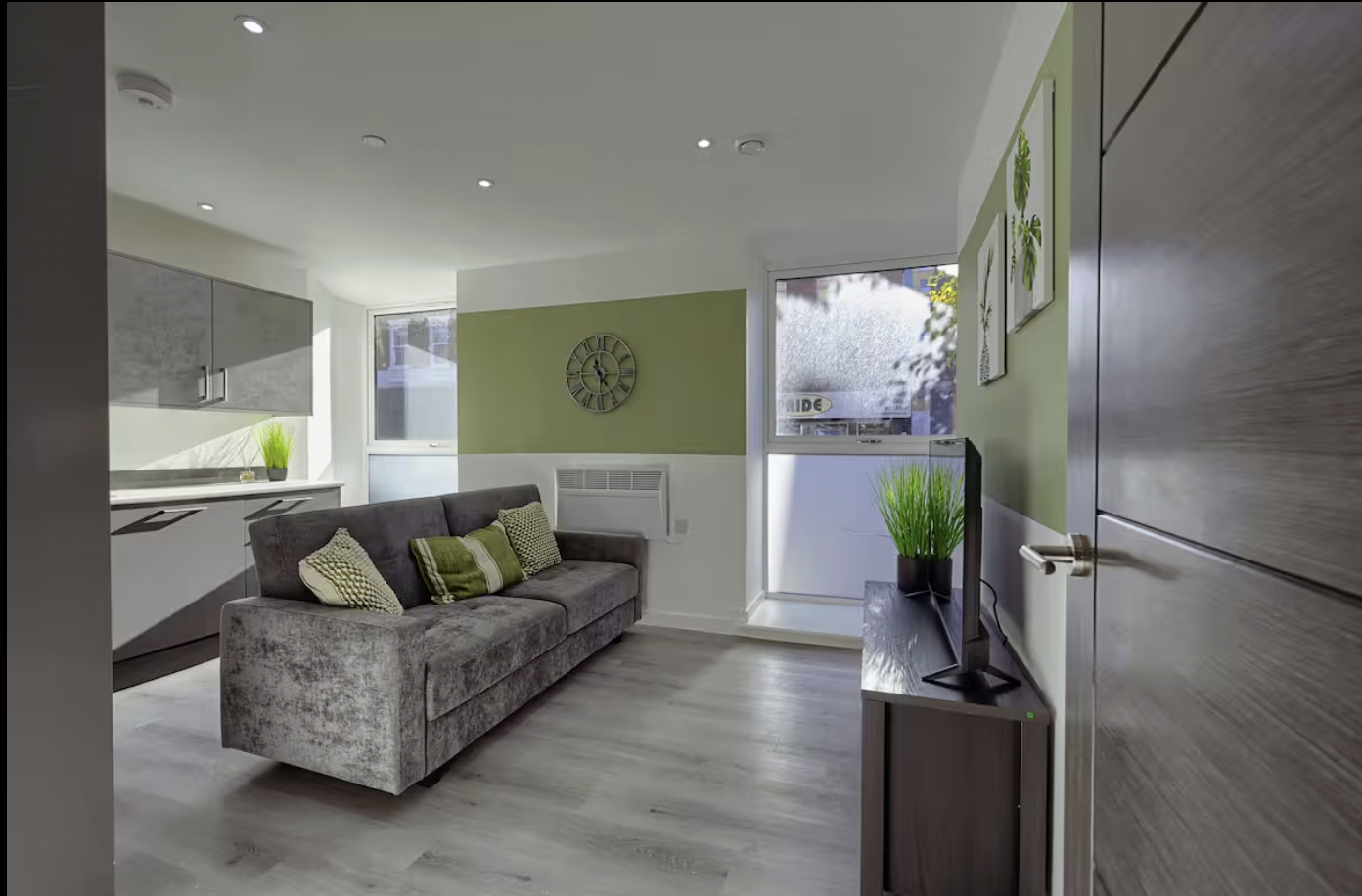
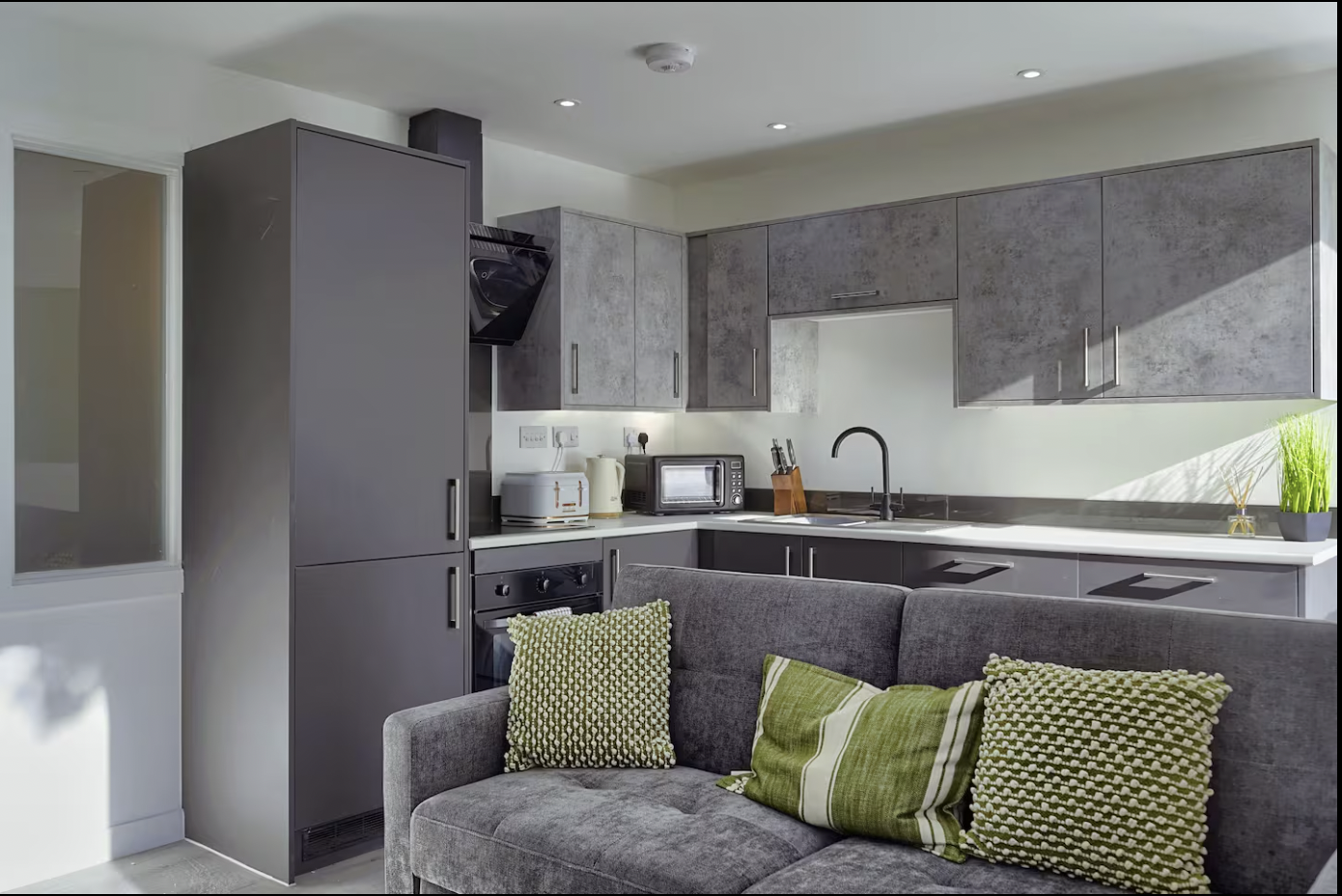
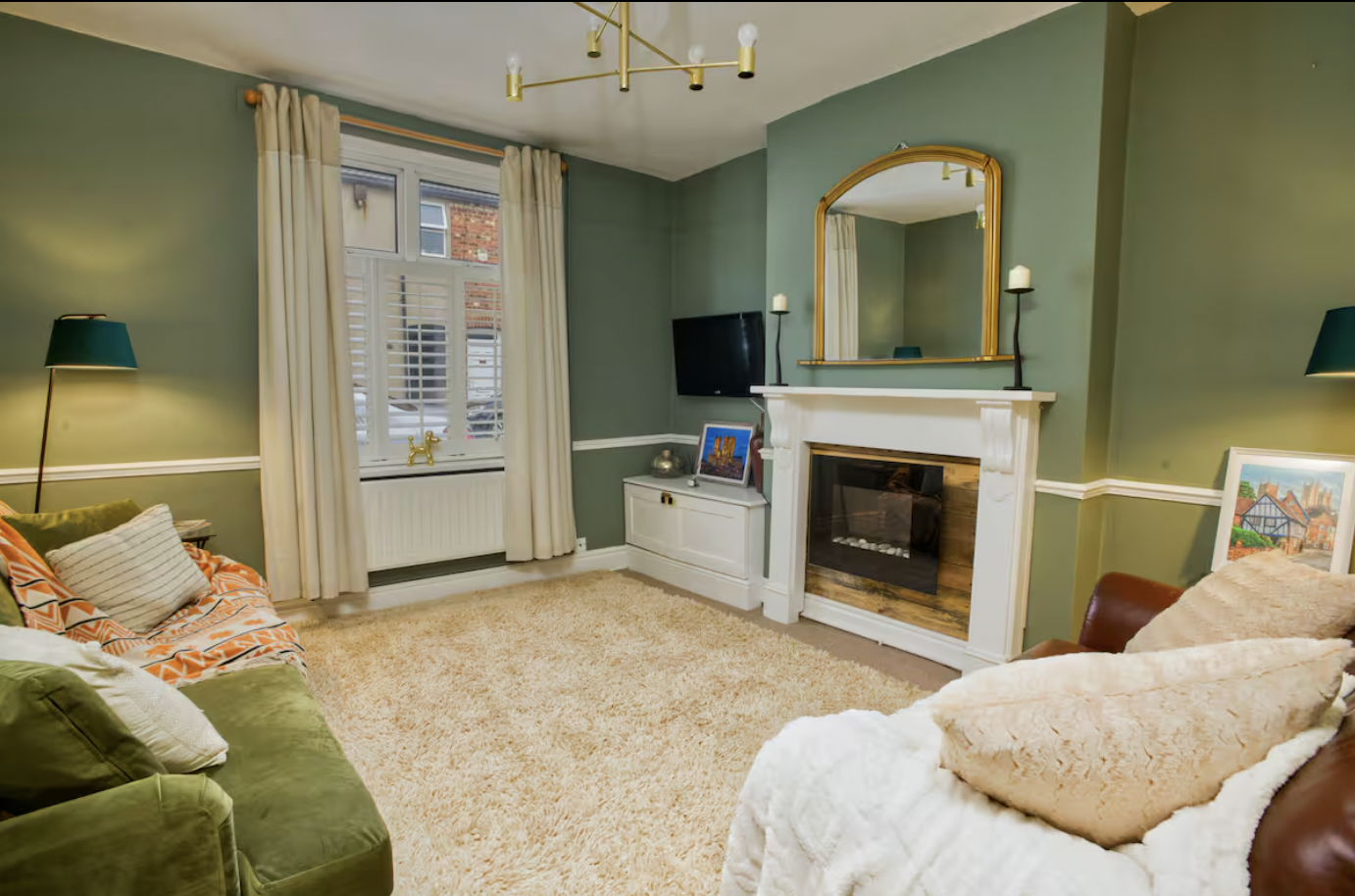
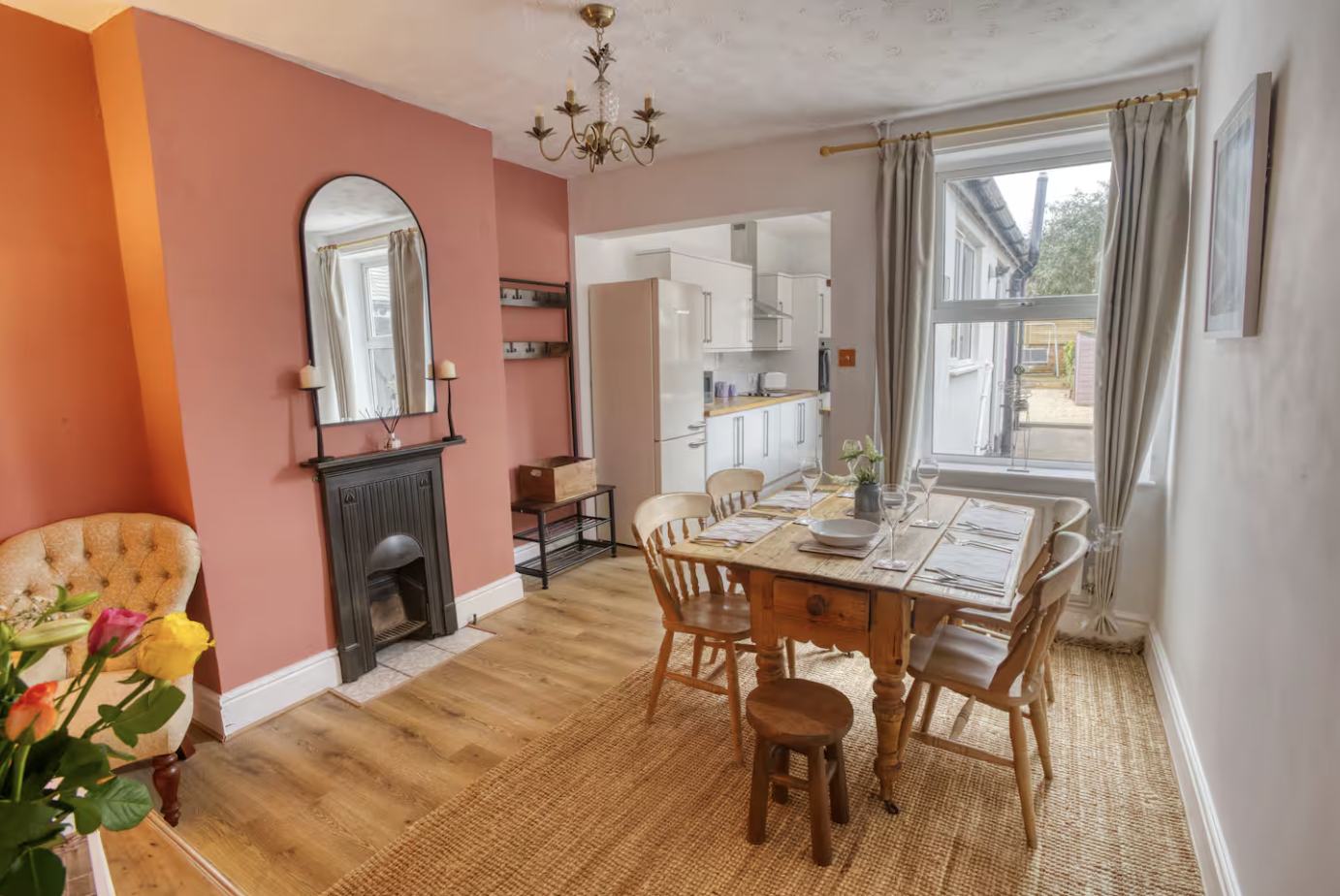


Airbnb Costs & Profitability Breakdown (UK)
Typical Monthly Costs
Rent / mortgage
Utilities
Cleaning & laundry
Maintenance
Insurance
Platform fees
Example Profit Scenario
Revenue: £3,500
Costs: £2,300
Net profit: £1,200
Well‑run serviced accommodation businesses outperform standard buy‑to‑lets — but only with discipline.
Best Locations for Airbnb & Short‑Term Rentals in the UK
High‑performing locations typically have:
Strong tourism OR contractor demand
Limited hotel supply
Good transport links
Examples include:
Regional cities
Coastal towns
Business hubs
Avoid relying solely on seasonal tourism unless pricing is exceptional.
Operations: The Real Difference Between Profit & Loss
Top‑ranking operators obsess over:
Cleaning quality control
Guest communication speed
Maintenance response times
Standard Operating Procedures (SOPs)
Poor operations destroy reviews — and reviews drive rankings.
Pricing & Revenue Optimisation
Professional operators use:
Dynamic pricing tools
Minimum stay rules
Channel management
Direct bookings
Manual pricing is one of the biggest profit killers.
Scaling Into a Serviced Accommodation Business
Scaling requires:
Systems, not hustle
Documented SOPs
Team & contractor management
Brand positioning
At scale, you stop being an Airbnb host and become a hospitality operator.
Common Mistakes to Avoid
Starting without council checks
Overestimating occupancy
Underpricing cleaning
Relying only on Airbnb
Treating it as passive income
FAQ
-
Yes — but subject to local regulations.
-
Sometimes. It depends on council rules and usage.
-
Often yes — but only with professional operations.
-
Yes. Management and rent‑to‑rent models are common.