
Can I manage short-term lets myself or use a management company?
You can self-manage, but using a professional company like Stayful increases compliance, occupancy, and revenue while reducing risk.
Detailed Answer:
Self-Management: Involves guest communication, bookings, cleaning, compliance checks, and safety management.
Management Company: Provides end-to-end service, handles council compliance, guest onboarding, maintenance, and maximises occupancy.
Pros & Cons:
Self-management: saves fees but time-intensive and riskier.
Stayful-managed: professional handling, higher revenue, less stress.
Step-by-Step Guidance:
Decide self-manage or use a management company.
Ensure compliance with council/licensing rules.
Set up guest communication and booking systems.
Maintain cleaning, maintenance, and safety procedures.
Track occupancy and revenue performance.
Richer Case Studies (Stayful-managed):
London Studio – Stayful-managed; 78 nights in 6 months; £2,300 net/month; automated booking, guest onboarding, cleaning included.
Manchester 2-bedroom flat – Self-managed initially; switched to Stayful; occupancy rose from 65% to 85%; compliance fully ensured.
Mini-FAQs:
Can I do everything myself? Yes, but it’s time-consuming and compliance-heavy.
Does Stayful guarantee bookings? While no guarantee exists, professional management increases occupancy and revenue.
Is there a fee? Stayful charges a management fee, typically offset by higher returns.
Can I manage short-term lets myself or use a management company?
Last updated: 17 February 2026
Reviewed by: Stayful Operations Team
- How we updated this article: Added a dedicated Costs section + a worked “net payout” example (illustrative only), a “how to choose a management company” checklist/table, a short case vignette, and a regulatory checks section with official links.
- Improved GEO/AEO by adding “near me” coverage and city examples, plus snippet-ready definition blocks and concise quick answers.
- Added a decision-flow graphic and a self-management checklist graphic (plus HowTo + FAQ schema).
Quick answer: Yes — you can self-manage a short-term let, especially if you’re local and have time for messaging, pricing, and turnovers. Most landlords use a management company when they want consistent reviews, less operational stress, multi-platform marketing, and a stronger path to repeat guests and direct bookings.
Definition (snippet-ready): What is short-let management? Short-let management is an end-to-end service that runs your short-term rental: listings, pricing, guest messaging, check-in, cleaning/linen coordination, maintenance, and performance reporting — so you earn short-let income without managing day-to-day operations yourself.
Definition (snippet-ready): What is a direct booking? A direct booking is when a guest books with you (or your brand) outside platforms like Airbnb — usually via repeat stays, referrals, or enquiries. It reduces platform reliance, but depends on trust, reviews, and consistent standards.
Definition (snippet-ready): Is Airbnb hard to manage? It can be — because success relies on fast guest replies, consistent cleaning, and smart pricing that changes with demand. If you can’t protect those weekly (including evenings/weekends), management often improves outcomes and reduces stress.
Conversion goal: If you’re leaning towards management, estimate the numbers first — then compare “net outcome” against your time and capacity.
Estimate your Airbnb income
Prefer a direct link? Open the income calculator.
Key takeaways
- DIY can work for one property if you’re local, responsive, and willing to build systems for cleaning, keys, guest messaging, and pricing.
- Your first reviews are your marketing engine: review quality affects platform ranking and conversion, and it’s hard to recover from early inconsistency.
- Multi-platform isn’t just “copy/paste”: it adds calendar discipline, messaging consistency, pricing rules, and operational readiness.
- Direct bookings are earned via trust (reviews + consistent standards) and repeatable guest experience — not a one-off tactic.
- Compare net outcome, not fees: management fees matter, but so does underpricing, gaps, time, and review drag.
- Stayful service facts (as provided): management fee averages around 15%, onboarding typically 2–3 weeks, and minimum term is 6 months (some landlords choose 12 months or 2 years).

What self-managing really means
Definition (snippet-ready): What does “self-managing” a short-term let mean? Self-managing means you personally run pricing, listings, guest messaging, check-in, cleaning/linen coordination, maintenance, and review management — and you keep standards consistent across every stay.
Many landlords come from buy-to-let and assume short-lets are “marketing + a cleaner”. In reality, you’re running a small hospitality operation with weekly demand shifts and guest expectations that show up permanently in reviews.
- Demand is dynamic: events, seasonality, school holidays, business travel, and weekday/weekend patterns change rates fast.
- Operations run on guest time: issues don’t wait until office hours.
- Reviews compound: early inconsistency can reduce bookings and make pricing power harder to build.
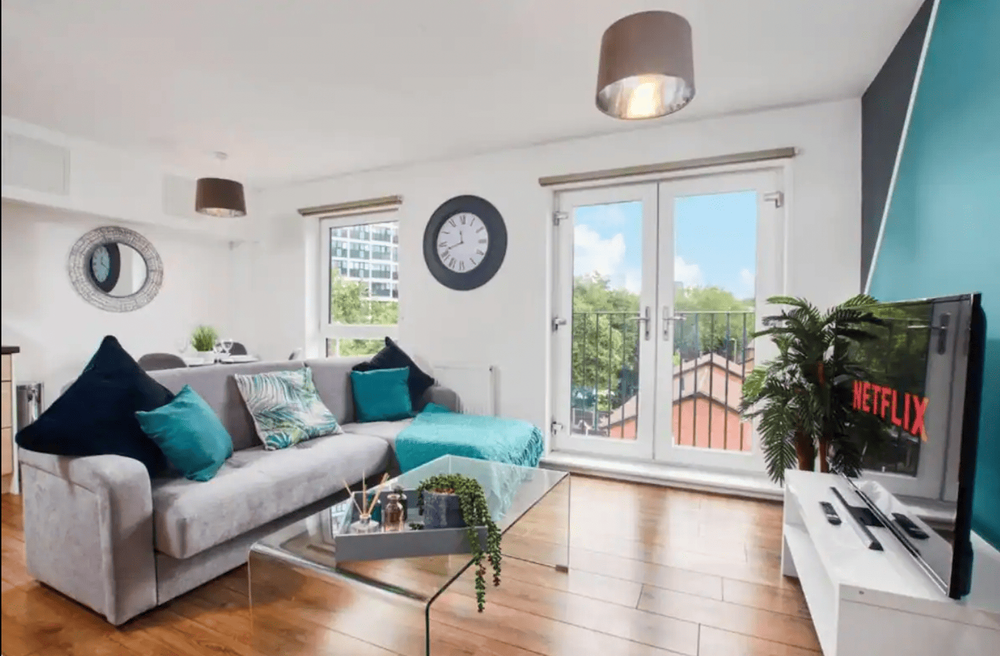
The hidden cost: time, mistakes, and missed revenue
Methodology (how we estimate time and cost ranges): The ranges below reflect common workloads across UK short-lets, assuming regular guest messaging, routine turnovers, and occasional maintenance. Your results vary by property size, location, seasonality, guest type, and how robust your systems are (cleaning, keys, supplier backups).
A realistic weekly time commitment (for 1 property)
| Task | What’s involved | Typical time (weekly average) |
|---|---|---|
| Guest communication | Pre-book questions, check-in details, mid-stay issues, checkout, review prompts | 2–5 hours |
| Pricing & calendar | Weekly review, minimum stay rules, gap-filling, event pricing, seasonal resets | 1–3 hours |
| Turnovers | Cleaner coordination, linen swaps, snag lists, supply top-ups | 1–4 hours |
| Maintenance & emergencies | Trades, callouts, lockouts, heating/Wi-Fi issues, replacements | 0–3 hours (spikes when things go wrong) |
| Admin | Receipts, payouts, damage claims, templates, supplier management | 0.5–2 hours |
Quick sense-check: If you can’t protect ~5–10 hours per week plus occasional urgent issues, self-management often becomes stressful (especially once you add a second property).
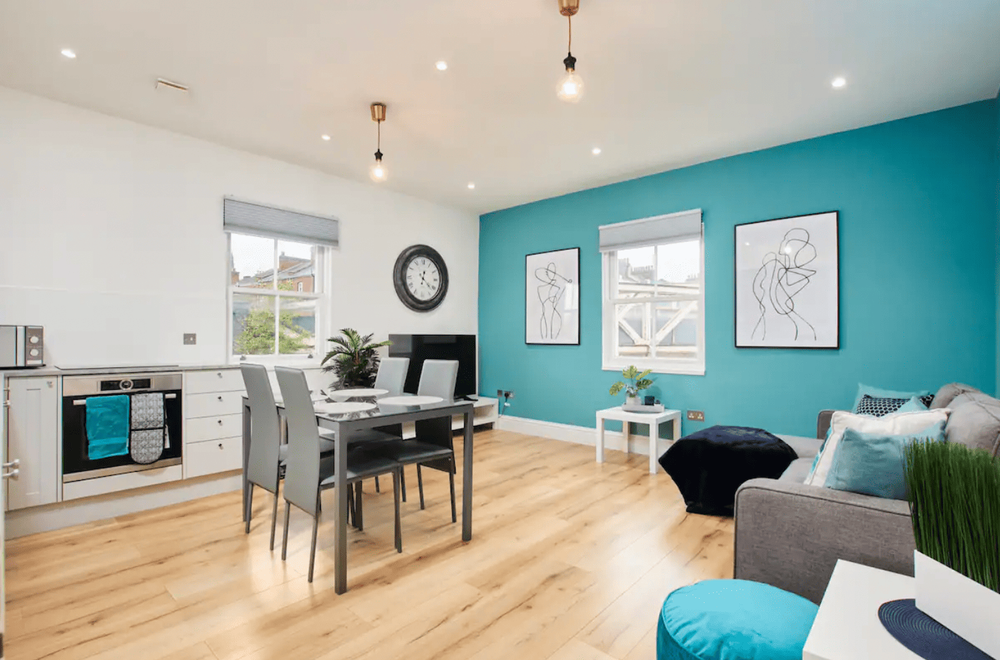
Costs: typical expense categories (with table) + net payout example
Quick answer: Your main operating costs are usually cleaning, linen, maintenance, consumables, and platform fees. The right comparison isn’t “fee vs no fee” — it’s net owner payout after costs, time, and performance.
| Expense category | What it covers | Impact on reviews & revenue |
|---|---|---|
| Cleaning | Turnovers, deep cleans, quality checks, occasional re-cleans | Cleanliness is one of the biggest review drivers; inconsistency hurts ranking and conversion. |
| Linen & laundry | Sheets/towels, laundry, replacement sets, backups | Reliable linen prevents last-minute failures and protects 5★ standards. |
| Maintenance | Trades, callouts, wear-and-tear replacements, small fixes | Speed of resolution affects reviews and repeat bookings. |
| Consumables | Toiletries, tea/coffee, bin bags, batteries, basic top-ups | Small misses create “friction” and guest complaints. |
| Platform fees | Service fees that vary by channel + payment processing | Impacts net payout and your ideal channel mix. |
Worked example (illustrative only, not a guarantee): Assume £3,000 gross monthly booking revenue.
- Cleaning paid by guests: many listings charge a cleaning fee to guests (so it may be cost-neutral for owners), but you still need a reliable cleaning system and quality checks.
- Owner costs still apply: linen/laundry, maintenance, consumables, utilities, council tax/business rates (where applicable), insurance, and platform fees.
| Line item | Example figure | Notes |
|---|---|---|
| Gross booking revenue | £3,000 | Illustrative month |
| Estimated owner operating costs (excluding cleaning) | £300–£650 | Typical range for linen, consumables, small maintenance; varies by property |
| Management fee (example: 15%) | £450 | Fee depends on provider and what’s included |
| Illustrative net (before mortgage/tax) | £1,900–£2,250 | Net outcome depends on pricing, occupancy, and costs |
If you want a faster baseline for your area, use the calculator: Estimate your Airbnb income.
Useful next step: Airbnb income calculator and Estimate your Airbnb income (if both pages exist, keep one as the primary).

Self-manage vs management company: decision matrix + decision flow
| Question | If “Yes” | If “No” |
|---|---|---|
| Are you within 30–45 minutes of the property most weeks? | DIY is more realistic. | Management reduces friction and response risk. |
| Can you reply quickly (including evenings/weekends)? | You can protect reviews more easily. | Slow replies can reduce ranking and ratings. |
| Do you understand your local market (guest type, seasonality, demand)? | DIY pricing and positioning improve. | Expert pricing + positioning shortens the learning curve. |
| Do you have reliable cleaning/linen and backup suppliers? | DIY is more stable. | Turnover failures are one of the fastest routes to poor reviews. |
| Do you want to build direct bookings over time? | Prioritise brand, reviews, and consistency. | Platform-only can work, but is usually less resilient. |
' stroke-width='3'>%0A<rect x='70' y='70' rx='18' ry='18' width='1060' height='140' fill='rgba(93,129,86,0.06)'/>%0A<rect x='70' y='260' rx='18' ry='18' width='510' height='300' fill='rgba(93,129,86,0.06)'/>%0A<rect x='620' y='260' rx='18' ry='18' width='510' height='300' fill='rgba(93,129,86,0.06)'/>%0A<path d='M600 210 L600 255'/>%0A<path d='M600 255 L325 255'/>%0A<path d='M600 255 L875 255'/>%0A</g>%0A<g font-family='Arial, sans-serif' fill='rgb(93,129,86)'>%0A<text x='110' y='120' font-size='34' font-weight='700'>DIY vs Management: quick decision flow</text>%0A<text x='110' y='165' font-size='22'>If you answer “no” to two or more questions, management usually protects reviews and revenue.</text>%0A%0A<text x='110' y='315' font-size='28' font-weight='700'>Self-manage (best fit if you can...)</text>%0A<text x='120' y='365' font-size='22'>1) Reply fast (evenings/weekends)</text>%0A<text x='120' y='405' font-size='22'>2) Run reliable cleaning + linen</text>%0A<text x='120' y='445' font-size='22'>3) Price weekly (avoid gaps)</text>%0A<text x='120' y='485' font-size='22'>4) Fix issues quickly</text>%0A<text x='120' y='525' font-size='22'>5) Grow reviews consistently</text>%0A%0A<text x='660' y='315' font-size='28' font-weight='700'>Use management (best fit if you...)</text>%0A<text x='670' y='365' font-size='22'>1) Want a proven operating system</text>%0A<text x='670' y='405' font-size='22'>2) Need multi-platform marketing</text>%0A<text x='670' y='445' font-size='22'>3) Want faster review growth</text>%0A<text x='670' y='485' font-size='22'>4) Are not local / not on-call</text>%0A<text x='670' y='525' font-size='22'>5) Want direct bookings over time</text>%0A</g>%0A</svg>)

When a management company usually makes sense
Rule of thumb: If you can’t consistently deliver (1) fast guest communication, (2) hotel-level cleanliness, and (3) smart pricing, management often improves performance and reduces stress.
1) You don’t have enough experience (or you want to avoid expensive trial-and-error)
In short-lets, mistakes show up quickly as lower occupancy, weak reviews, or messy operations. A specialist manager reduces “learning curve” costs by bringing pricing routines, guest communication standards, and operational systems from day one.
2) You’re not sure about your market (guest type, seasonality, demand drivers)
Short-let demand can be hyper-local. The best operators adapt pricing and minimum stays as the market shifts — and they plan for seasonality rather than reacting late.
3) You want reviews quickly (but you can’t protect consistency)
Reviews are your conversion engine. If cleaning, check-in, or response times vary, early reviews can underperform — and that makes ranking and pricing power harder to build later.
4) You want multi-platform exposure, but don’t want double-bookings or message overload
Multi-platform is a stability play — but it requires disciplined calendars, consistent policies, and robust operations. Management can streamline distribution while keeping the guest experience consistent.
5) You want direct bookings, but you’re missing the foundations
Direct bookings come from trust. Trust comes from: strong reviews, consistent standards, and a recognisable guest experience — then repeat guests and referrals follow.
How to choose a short-let management company (UK checklist + table)
Quick answer: Choose a company that can protect reviews (cleaning + guest comms), run pricing proactively, manage maintenance fast, and prove their process for building repeat stays and direct bookings — not just “list it on Airbnb”.
Selection checklist (ask these before you sign)
- Reviews & standards: How do you ensure consistent cleanliness and guest experience on every stay?
- Guest communication: Do you provide fast support outside 9–5 (and what does “fast” mean)?
- Pricing: How often do you review pricing and minimum stays — weekly, daily, or only seasonally?
- Multi-platform: Which channels do you list on, and how do you prevent double bookings?
- Maintenance: What’s the process for urgent issues and owner approvals for spend?
- Direct bookings: What’s your plan to build repeat guests and direct enquiries over time?
- Reporting: What do owners get each month (occupancy, ADR, booked nights, net payout, notes)?
- Fees: What’s included vs chargeable extras (cleaning, linen, photos, callouts)?
- Contract: Minimum term, notice period, and any set-up or exit costs?
Mini table: questions that reveal quality fast
| Question to ask | A strong answer sounds like… |
|---|---|
| How do you protect review score? | Clear cleaning QA process, messaging standards, issue resolution workflow, and review follow-up routine. |
| How often do you optimise pricing? | Regular cadence (at least weekly) plus rules for gaps, seasonality, and events. |
| How do you handle maintenance spend? | Defined thresholds + documented approvals + trusted suppliers + fast emergency response. |
| How do you build direct bookings? | Focus on repeat guests/referrals, consistent standards, brand trust and a process for capturing repeat demand. |
| What reporting do I get? | Monthly owner statement + performance summary with actions (not just raw numbers). |

How Stayful helps (UK-wide “near me”)
Looking for short-let management “near me”? Stayful manages across the UK. Start here: Airbnb management locations we cover. Examples: London, Manchester, York, Bristol, and Leeds.
If you want the upside of short-let income without your week becoming guest messaging, turnovers, and pricing tweaks, a specialist operator is built to remove the operational load — while raising the standard that earns reviews and repeat bookings.
Stayful facts (as provided): average management fee around 15%, onboarding typically 2–3 weeks, with a 6-month minimum term (some landlords prefer 12 months or 2 years).
Next helpful pages (internal): Short-let management nationwide, Holiday let management nationwide, and Airbnb management knowledge hub.

Case vignette: DIY to managed (illustrative scenario)
Note: This is a composite scenario based on common patterns UK landlords experience. It’s for illustration only — not a promise of results.
The situation
A landlord launches a 2-bed city property as a short-let. They start DIY to “see how it goes”. Bookings come in, but operations get messy: slower guest replies during busy periods, occasional cleaning inconsistencies, and pricing stays static for too long. Reviews are okay, but not strong enough to push ranking.
What changed
- Introduced a consistent cleaning QA process and supply top-ups.
- Improved check-in clarity and guest messaging speed (especially around key questions).
- Moved to a proactive pricing routine (weekly reviews + gap strategy + seasonality planning).
- Focused on review growth and repeatability (not just “getting bookings”).
Illustrative outcome range (example only)
- Booked nights: +10–25% over the following season due to fewer gaps and better conversion from stronger reviews.
- Review performance: improved and stabilised (e.g., moving towards a stronger 4.7–4.9 pattern) as standards became consistent.
- Direct booking foundations: repeat guests and referrals start to appear once the experience becomes reliably “brand-standard”.
If you want a baseline estimate for your property, start here: Estimate your Airbnb income.
How to self-manage a short-term let (checklist)
' stroke='rgb(93,129,86)' stroke-width='3'/>%0A<g font-family='Arial, sans-serif' fill='rgb(93,129,86)'>%0A<text x='110' y='135' font-size='34' font-weight='700'>Self-management checklist (at a glance)</text>%0A<text x='110' y='190' font-size='22'>Tick these off before you go live (and keep them consistent weekly).</text>%0A%0A<text x='120' y='255' font-size='22'>%E2%98%90 Guest promise + target guest defined</text>%0A<text x='120' y='300' font-size='22'>%E2%98%90 Cleaning + linen system with backups</text>%0A<text x='120' y='345' font-size='22'>%E2%98%90 Key management with failsafe plan</text>%0A<text x='120' y='390' font-size='22'>%E2%98%90 Messaging templates (top questions/issues)</text>%0A<text x='120' y='435' font-size='22'>%E2%98%90 Pricing routine (weekly review + gap strategy)</text>%0A<text x='120' y='480' font-size='22'>%E2%98%90 Multi-platform readiness (calendar discipline)</text>%0A<text x='120' y='525' font-size='22'>%E2%98%90 Review process (ask, respond, improve)</text>%0A</g>%0A</svg>)
If you read this and think “I don’t have time for that”, that’s not a failure — it’s a signal that management may be the smarter route.
DIY steps (quick, practical)
- Define your guest and promise: write one sentence: “This property is best for ____ who need ____.”
- Prepare the property like hospitality: photo-ready setup, spare inventory, clear house rules.
- Build operations: cleaning/linen + backups, key management failsafe, trades list, message templates.
- List properly: strong photos, conversion-led copy, clear check-in, clear policies.
- Price weekly: avoid “set and forget”; protect weekends/events and fill gaps smartly.
- Protect reviews: fast replies, consistent cleanliness, quick issue resolution, review prompts.
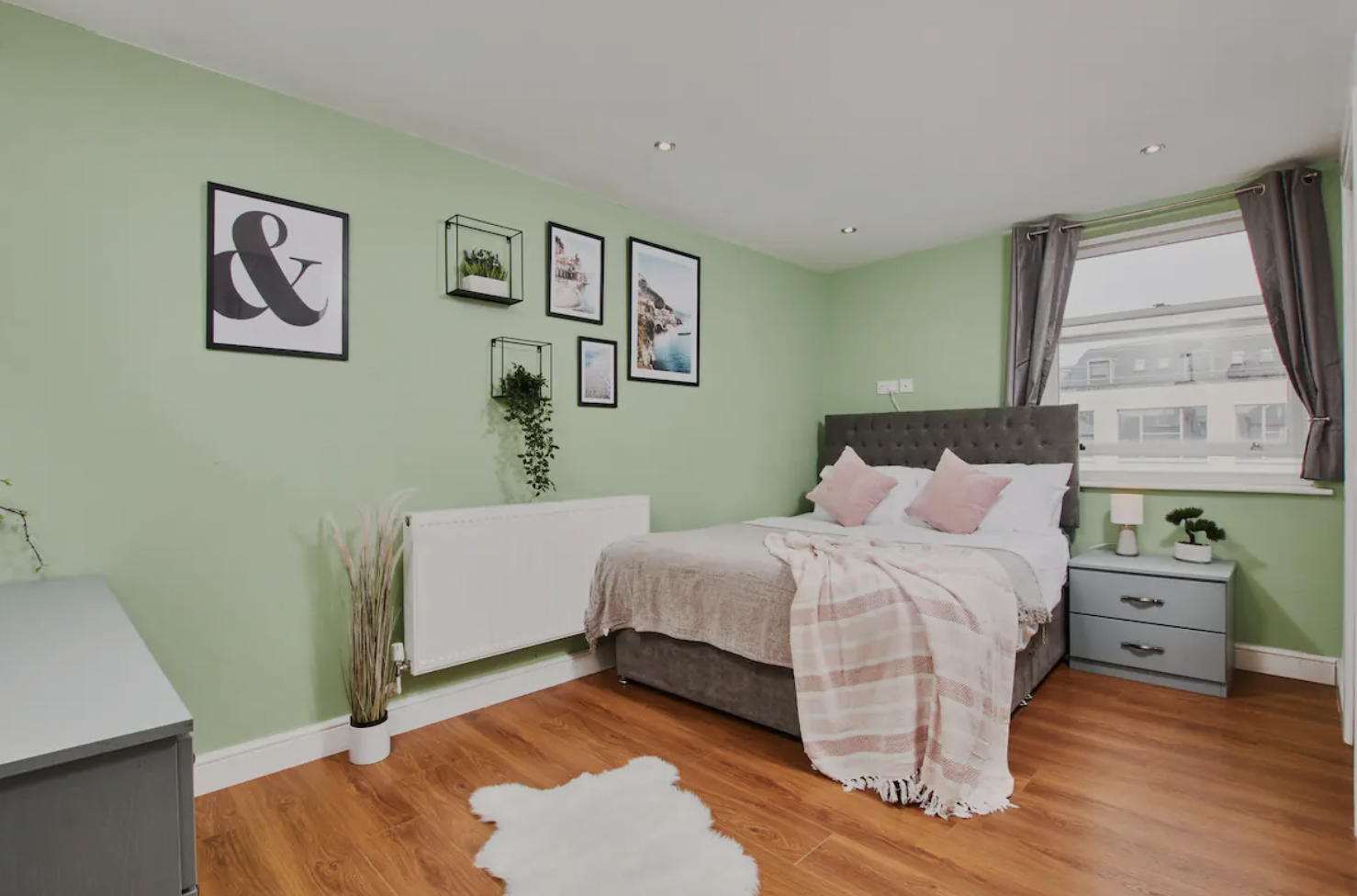
Regulatory checks to consider (official links)
Important: This is not legal advice. Rules vary by location and property type. Use the official links below as a starting point and check local council guidance where relevant.
- Fire safety (small paying guest accommodation): read the Government’s practical guidance for small premises used for short stays. GOV.UK fire safety guide.
- Energy Performance Certificates (EPC): understand when an EPC is required and how it’s used for marketing/letting. GOV.UK EPC overview and find an energy certificate.
- Minimum Energy Efficiency Standards (MEES) for rented property: landlord guidance (note updates). GOV.UK MEES guidance.
- London-specific short-let rules: review the London guidance (including the 90-night rule) if relevant to you. London short-term lets guidance.
- Local council requirements: some areas have additional planning/licensing considerations. Check your council website and document your position.
If you’d like, we can point you to the right official checks as part of onboarding — without replacing professional legal advice where needed.
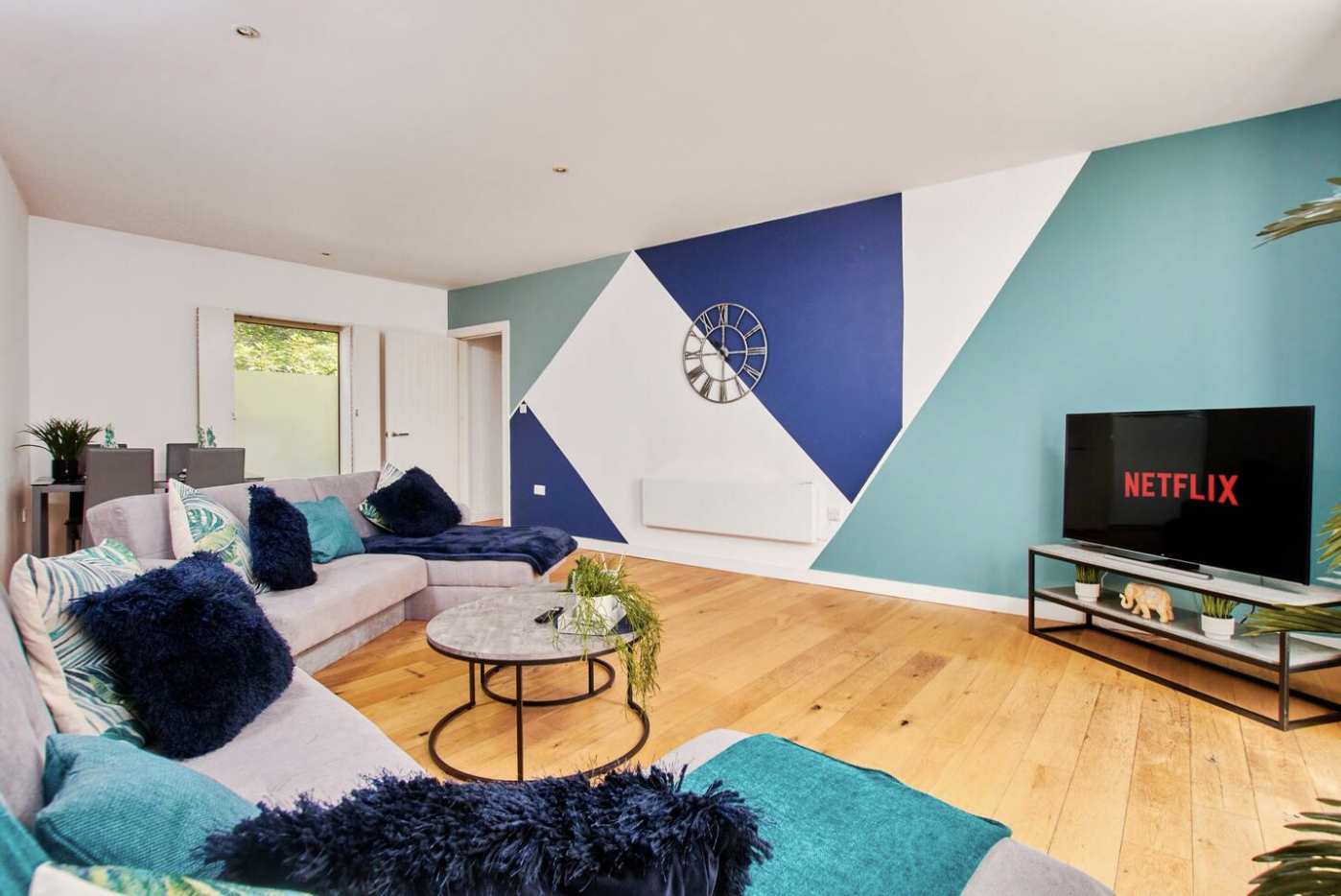
FAQs
- Can I manage a short-term let myself?
- Yes — especially if you’re local and can protect fast guest replies, consistent cleaning, and weekly pricing. The main challenge is doing it reliably for every stay, not just getting set up once.
- How much time does self-managing usually take?
- Many landlords spend around 5–10 hours per week for one property on average, with spikes during maintenance issues, late arrivals, or when cleaners/trades need coordination.
- What costs should I budget for with a short-term let?
- Most UK short-lets budget for cleaning (often charged to guests), linen/laundry, maintenance, consumables, and platform fees. Compare net owner payout after costs and time, not just management fees.
- Will a management company increase my income?
- It can, through better pricing cadence, fewer gaps, stronger reviews, and smoother operations. The best comparison is net outcome (after fees and costs), not the headline fee alone.
- How do I get reviews if I’m new?
- Consistency wins: hotel-level cleanliness, clear check-in, fast replies, and quick issue resolution. Then ask for reviews reliably after each stay.
- How do I list on multiple platforms without double bookings?
- You’ll need strict calendar discipline and consistent policies across channels. Many hosts use tools as they scale, because “manual multi-platform” becomes error-prone quickly.
- How do I get direct bookings?
- Direct bookings are a result of trust: strong reviews, repeatable guest experience, and repeat guests/referrals. Start by delivering consistently and capturing repeat demand over time.
- What should I look for in a management contract?
- Fee transparency, what’s included vs extras, term length, notice period, maintenance approval process, and the quality of reporting you’ll receive.
Estimate your Airbnb income
Use this to compare DIY vs management on net outcome — then decide based on time, stress, and your goal (reviews + direct bookings vs hands-on hosting).