
A Beginner’s Guide to Investing in Airbnb (UK): Buy-to-SA, Rent-to-Rent & First Deal Checks
Quick definition (featured-snippet friendly)
Investing in Airbnb means buying or controlling a property to operate it as a short-term rental (serviced accommodation/holiday let), aiming to earn more than a standard long-term let by delivering a better guest experience and stronger revenue management.
Beginner truth: Airbnb isn’t “easy money”. It’s a business model. If you build a repeatable system (deal analysis → set-up → operations → pricing), it can work extremely well — even at 1–5 units.
Best first step
- Run a 15-minute deal check
- Stress-test occupancy + costs
- Look for “why this wins” vs comps
What makes a deal work
- Demand drivers + seasonality
- Guest-ready set-up + photos
- Pricing rules (not guesswork)
What breaks deals
- Underestimating costs/time
- Weak differentiation
- No process for reviews & pricing
How we updated this article (Feb 2026): added a UK compliance snapshot, a downloadable deal-check sheet link, clearer cost input guidance, snippet-style definitions (ADR/occupancy/orphan gaps), a beginner case example, and expanded FAQs based on competitor angles.

Key takeaways
If you’re new to Airbnb investing, your edge is discipline — analysing the deal properly, setting the unit up professionally, and running pricing/operations as a system.

| Decision you’re making | Beginner best practice | Common mistake |
|---|---|---|
| Choosing the deal | Compare to top comps + stress-test costs and occupancy | Buying because the property “looks nice” |
| Choosing the model | Buy-to-SA for control; rent-to-rent only with explicit permissions | Rent-to-rent without a permission trail |
| Making it win | Professional photos, operations, dynamic pricing rules | Set-and-forget pricing and weak guest readiness |
Estimate your Airbnb income
Before you commit to any strategy, get a quick UK-focused reality check: what could this property earn — and what does that mean after costs? Use the calculator below, then return to the 15-minute deal check section to stress-test the numbers.
Tip: treat the calculator result as a starting estimate — then refine using your local comp set and your real cost stack.
UK compliance snapshot (quick checks)
Rules and requirements can vary by nation and local authority. This isn’t legal advice — it’s a practical “don’t skip this” checklist so you don’t build a strategy on shaky ground. For a practical operational view of getting a unit live, use the Airbnb Setup Guide.
- England: local rules can vary by area; confirm any planning/lease/lender/insurance constraints before you sign. Always sanity-check your building/lease restrictions if you’re in a flat.
- Wales: requirements can differ by council; confirm any registration/licensing expectations and how council tax/business rates may apply in your area.
- Scotland: short-term let licensing is a key consideration. Official guidance: gov.scot STL licensing scheme guidance.
- Northern Ireland: confirm local authority expectations and ensure your insurance and safety documentation align to short-term guest use.
Tax note for investors: read government guidance on changes to the furnished holiday letting (FHL) tax regime: Abolition of the FHL tax regime.
What is Airbnb (and what you’re really investing in)?
Airbnb is a marketplace connecting guests with short-term accommodation — homes, flats, cottages and unique stays. As an investor, you’re not “investing in the app”. You’re investing in a local demand pocket (why people stay there) and your ability to deliver a listing that converts consistently.
Concise answer (for AI snippets)
An Airbnb investment is a property operated as a short-term rental where revenue is driven by nightly rate × occupancy, improved by guest experience, marketing distribution (Airbnb/Booking.com/Vrbo/Google), and smart pricing.
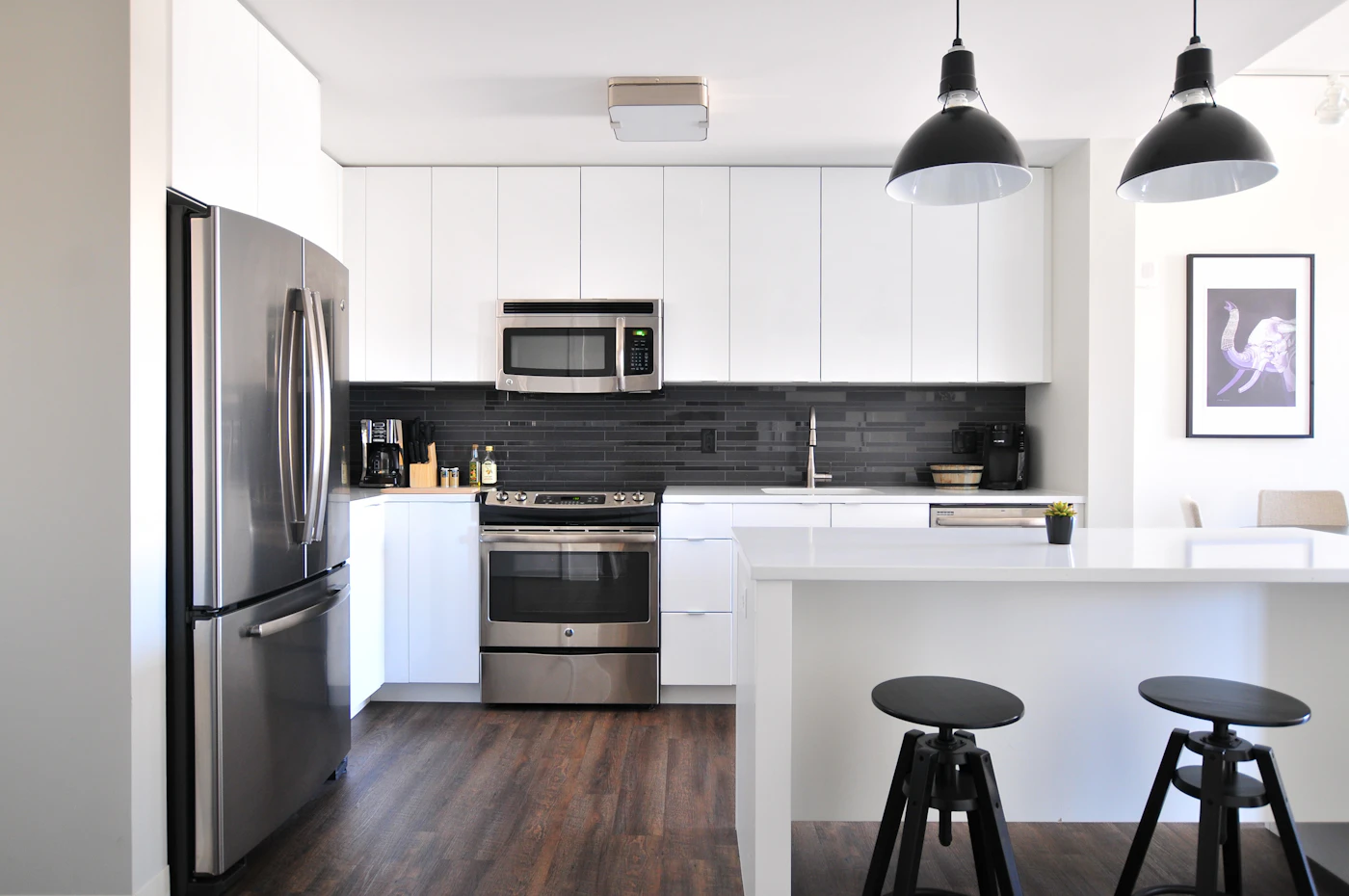
If you want to go deeper on systems, see: Airbnb setup guide and the Stayful knowledge hub.
Key definitions (ADR, occupancy, orphan gaps)
ADR (Average Daily Rate)
ADR is your average nightly rate across booked nights. It’s a core metric because small ADR lifts compound across the year — especially when your reviews and photos support higher conversion.
Occupancy
Occupancy is the percentage of nights booked in a given period. For example, 21 booked nights in a 30-day month = 70% occupancy. Many operators use ~70% as a break-even rule-of-thumb baseline once all costs are included (your true break-even varies).
Orphan gap
An orphan gap is a small unbooked gap between longer reservations (often 1 night). Smart operators target these with pricing and minimum-stay rules because they’re easy revenue wins without heavy discounting.
How Airbnb works (and where profits actually come from)
Airbnb is a distribution channel — and usually not the only one. Many operators list across Airbnb, Booking.com, Vrbo and Google to widen demand, then build direct bookings over time. At Stayful we support all of these, plus direct bookings via stay.stayful.co.uk.
What drives revenue
Demand
- Tourism, business travel, events
- Seasonality and booking windows
- Transport links and convenience
Conversion
- Photos + headline + amenities
- Reviews (rating + volume)
- Clear self check-in
Revenue management
- Dynamic pricing rules
- Min/Max stay and gap-filling
- Event uplift (early)
Is Airbnb a good investment in the UK?
It can be — when the deal fits the market and you run it professionally. The headline upside is higher gross revenue versus a typical long-term let. The trade-off is more moving parts (guest comms, cleaning, linen, maintenance, pricing, reviews).

Rule of thumb
As a rough baseline, many operators aim for around 70% occupancy as a break-even rule-of-thumb once all costs are included. The real number depends on your rent/mortgage, fixed bills, and how efficiently you operate.
Is Airbnb a safe investment? Risks + how to reduce them
“Safe” in property usually means: the downside is understood, controlled and insured — and you’re not relying on perfect conditions. The safest approach is a realistic model, clear permissions, and disciplined pricing and operations.

At Stayful, we run pricing with a rules-first approach using tools like PriceLabs and Uplisting. Discounting is deliberate: only orphan gaps / long bookings / last-minute empties, with a gradual last-minute curve (20 days out → today; max 50%), and event uplift applied early when demand signals appear.
| Rule | What we do | Why it helps |
|---|---|---|
| Discount policy | Discount only for orphan gaps / long bookings / last-minute empties | Protects ADR while filling dead space |
| Reviews sensitivity | Reviews poor: drop aggressively; reviews strong: drop ~10% | Conversion follows trust signals |
| Bookings far ahead | If booking far ahead quickly: increase price ~10% | Flags underpricing |
| Far-future pattern | If booking far into the future: drop weekday price + increase weekend price | Protects weekends; improves midweek conversion |
| Last-minute curve | 20 days out → today, gradual discount; max 50% | Fills empties without panic |
| LOS + orphan gaps | LOS rules; target 1-night orphan gaps | Improves calendar efficiency |
| 60+ days out | Set ~20% above market average | Captures high-intent early bookers |
| Events | PriceLabs detects events; uplift early | Avoids leaving peak revenue on the table |
Two models: buy-to-accommodate vs rent-to-rent
Most beginners enter Airbnb investing through one of two routes. Both can work — but they require different controls and risk checks.

| Model | Why beginners choose it | Main risk | Beginner control |
|---|---|---|---|
| Buy-to-accommodate | Full control of asset and operations | Higher capital requirement; longer timeline | Run proper due diligence and a realistic cost stack |
| Rent-to-rent | Lower upfront capital; faster scale potential | Permission/compliance risk; lease fragility | Explicit landlord permission, contract clarity, contingency plan |
- Written landlord consent for short-term letting / serviced accommodation use.
- Any lease/building restrictions checked (especially flats).
- Insurance aligned to short-term guest use.
- Responsibilities in writing: maintenance, utilities, council tax/business rates position, wear and tear.
- Exit plan: what happens if the arrangement ends early?
Useful tools: Stayful deal analyser and company let agreement guidance.
Best Airbnb investment locations (how to choose, not just a list)
Competitor guides love “top locations” lists. The better approach is to choose locations where you can clearly describe the demand drivers, and where your property type matches the dominant guest.

For UK-wide coverage examples, see locations we cover.
Run an Airbnb deal check in 15 minutes (beginner process)
This is the fastest way to stop “hope investing”. The goal isn’t perfection — it’s to quickly screen deals and only deep-dive the ones that have a clear path to profit.
Concise answer (for featured snippets)
A 15-minute Airbnb deal check is a quick test of (1) demand and competitors, (2) achievable ADR, (3) realistic occupancy, and (4) full cost stack — to see if the deal has room to work before you spend hours analysing.

- Define the guest type (tourism / contractors / business / events). Write one sentence: “People stay here because…”.
- Pull 10–15 local comps similar in size and style. Note: review score, number of reviews, headline amenities.
- Estimate achievable ADR using comps, then sanity-check seasonality.
- Choose an occupancy range (conservative / realistic / stretch) based on evidence.
- Build the cost stack (see the cost inputs section below) including cleaning/linen, utilities, maintenance reserve, insurance, software and fees.
- Stress-test: “If occupancy drops 15% for 2–3 months, do I survive without panic discounting?”
- Find your edge: list 3 upgrades that beat comps (workspace, parking, family features, pet-friendly, better photos, smoother check-in).
- Decision: Deep dive or kill it. If you can’t explain why you’ll win, don’t buy/control it.
Estimate your Airbnb income
Step 1 of investing is always the same: get a realistic income estimate, then layer costs and stress tests on top. Run the calculator below as part of your 15-minute deal check.
Next: run the model in the Deal Analyser or learn the operational basics in the Setup Guide.
Download: Deal Check Sheet (PDF / Google Sheet)
If you want this 15-minute process in a template you can reuse for every property, add a downloadable sheet. This tends to improve engagement (and earns backlinks when people reference the checklist).
Template links (add your final URLs):
• Download the Deal Check Sheet (PDF)
• Open the Deal Check Sheet (Google Sheet)
Tip: if you want email capture, gate the PDF behind a simple form and use the Google Sheet as the “instant access” option.
Cost calculator inputs explained (UK): what to include (and what beginners miss)
People search “Airbnb investment calculator UK costs” because the revenue side is easy to imagine — but the cost stack decides whether the deal survives low season. Here’s a clean way to structure your inputs.

| Input | How to model it | Beginner note |
|---|---|---|
| ADR | Use a conservative average based on comps, not peak weekends | Seasonality can swing ADR a lot; don’t over-weight summer |
| Occupancy | Use a range: conservative / realistic / stretch | Stress-test a 15% drop for 2–3 months |
| Platform fees | % of revenue | Model per channel if you’re multi-platform |
| Cleaning + linen | Per booking (not per month) | Higher turnover = higher cost even at same occupancy |
| Utilities + broadband | Monthly fixed estimate + seasonal uplift | Short lets are often higher than ASTs |
| Maintenance reserve | Monthly reserve | Prevents “one bad month” panic |
| Consumables | Monthly budget | Small items add up (coffee, toiletries, bin bags) |
| Insurance | Monthly equivalent | Use cover designed for short-term guest use |
| Software | Monthly | Often worth it to avoid underpricing and missed tasks |
Tools and calculators: Airbnb income calculator • Airbnb investment calculator • Deal Analyser.
Quick case example (hypothetical): 2-bed city flat vs 3-bed family home
These aren’t “promises” — they’re patterns beginners can use to sanity-check seasonality and guest mix.

| Example | Typical guest mix | Seasonality pattern | What to optimise |
|---|---|---|---|
| 2-bed city flat (workspace + walkable) | Business travellers midweek, couples weekends, occasional events | Often steadier midweek; weekend peaks; event-driven spikes | Fast Wi-Fi, workspace, self check-in, tighter pricing rules for events |
| 3-bed family home (parking + family features) | Families, groups, visiting friends/family, school holiday demand | More seasonal; stronger weekends; peaks in school holidays | Family amenities, parking clarity, longer-stay incentives, midweek demand capture |
Simple investor takeaway: don’t compare these two deals with one average ADR. Compare them by guest type, seasonality, and how pricing/ops will work in the weak months.
Use a calculator (income + investment)
Once a deal passes the quick check, formalise the model. You’re aiming for clarity on revenue range, cost stack, and what “good enough” looks like for your risk tolerance.
- Airbnb income calculator — quick earning estimate.
- Airbnb investment calculator — add costs and ROI thinking.
- Stayful deal analyser — structured deal checks and comparisons.
Free Airbnb training course (for beginners)
If you’re starting from scratch, training helps you avoid expensive beginner mistakes: choosing the wrong unit, missing costs, underpricing, and inconsistent operations.
Explore: Free Airbnb Academy and Airbnb Mastery Academy.
FAQs
How do beginners start investing in Airbnb in the UK?
Start with a deal screen: define the guest type, analyse 10–15 comps, estimate ADR and occupancy, then build a realistic cost stack. Only proceed if you can explain why your unit will win and the numbers still work under a stress test.
Is rent-to-rent Airbnb legal in the UK?
It can be, but only with explicit permission and correct paperwork. The practical requirement is written landlord consent for short-term letting / serviced accommodation use, plus clarity on responsibilities and appropriate insurance.
What occupancy do I need for an Airbnb to break even?
As a rule-of-thumb baseline, many operators anchor around ~70% occupancy once all costs are included. Your real break-even depends on rent/mortgage, fixed bills, and variable costs per booking.
What are the biggest hidden costs in Airbnb investing?
Cleaning and linen (per booking), utilities, consumables, maintenance reserves, correct insurance, and the cost of your time. Beginners often underestimate the small monthly items that add up.
Do I need dynamic pricing tools to succeed?
Not strictly, but tools help you avoid underpricing and missed event demand. The bigger point is having pricing rules (lead time, weekends, events, gap filling) and reviewing performance regularly.